As an Amazon Associate I earn a small commission from qualifying purchases made using links from this website.
Hydroponic gardening is revolutionizing how we grow plants, offering a soil-free alternative that delivers faster growth, higher yields, and greater control over the environment. In hydroponic gardening, plants receive nutrients directly through water, eliminating the need for traditional soil.
This method, often referred to simply as hydroponics, has gained popularity among home gardeners, urban farmers, and commercial growers alike. Whether you’re setting up an indoor hydroponic garden in a small apartment or a larger hydroponic system in your backyard, hydroponic and aereoponic gardening allows you to cultivate fresh produce year-round.
The appeal of hydroponics lies in its efficiency and sustainability. With hydroponics, you can grow more food in less space, using up to 90% less water than soil-based methods. This guide will cover everything from the basics of hydroponic growing to advanced techniques, making it the definitive resource for hydroponics for beginners and experts. We’ll explore hydroponic systems, hydroponic nutrients, DIY hydroponics setups, and more, ensuring you have all the tools to succeed in home hydroponics.
At its core, hydroponics is the science of growing plants without soil. Instead, roots are exposed to a nutrient-rich water solution that provides all the essential elements for growth. The term “hydroponics” comes from Greek words meaning “water” and “labor,” reflecting how water does the heavy lifting in this system.
Hydroponic gardening works by delivering oxygen, water, and hydroponic nutrients directly to the plant roots. Plants in hydroponic systems are often supported by inert growing media like rockwool, clay pebbles, or perlite, which provide stability without contributing nutrients. This controlled environment allows for precise management of factors like pH, electrical conductivity (EC), and temperature, leading to healthier plants and fewer issues with pests or diseases.
Unlike traditional gardening, where soil acts as a buffer for nutrients and water, hydroponic growing requires careful monitoring. However, the rewards are significant: plants in hydroponic gardens can grow up to 50% faster due to direct nutrient access.
Hydroponic gardening isn’t a modern invention; its roots trace back to ancient civilizations. The Hanging Gardens of Babylon, one of the Seven Wonders of the Ancient World, are believed to have used early hydroponic techniques around 600 BCE. Aztecs in Mexico developed chinampas, floating gardens on lakes that functioned similarly to hydroponic systems.
In the 17th century, scientists like Francis Bacon experimented with soil-less cultivation. But it was in the 1930s that Dr. William Gericke coined the term “hydroponics” after successfully growing tomatoes in water-based solutions. During World War II, hydroponics was used to feed troops in remote areas. Today, hydroponic gardening powers vertical farms in cities like Singapore and the Netherlands, producing millions of pounds of food annually.
Both hydroponic and aeroponic gardening offers numerous advantages over traditional soil methods. First, it conserves water—hydroponic systems recirculate solutions, reducing usage by up to 95%. This makes hydroponics ideal for arid regions or water-scarce urban areas.
Space efficiency is another key benefit. Vertical hydroponics and indoor hydroponics allow stacking or wall-mounted setups, perfect for home hydroponics in apartments. Plants grow faster in hydroponic gardens because roots get immediate access to hydroponic nutrients and oxygen, leading to higher yields—up to 30% more than soil-grown crops.
Pest and disease control is easier without soil, minimizing the need for pesticides. Hydroponic growing also enables year-round production, regardless of weather, making it sustainable and eco-friendly. For beginners, DIY hydroponics kits simplify entry into this rewarding hobby.
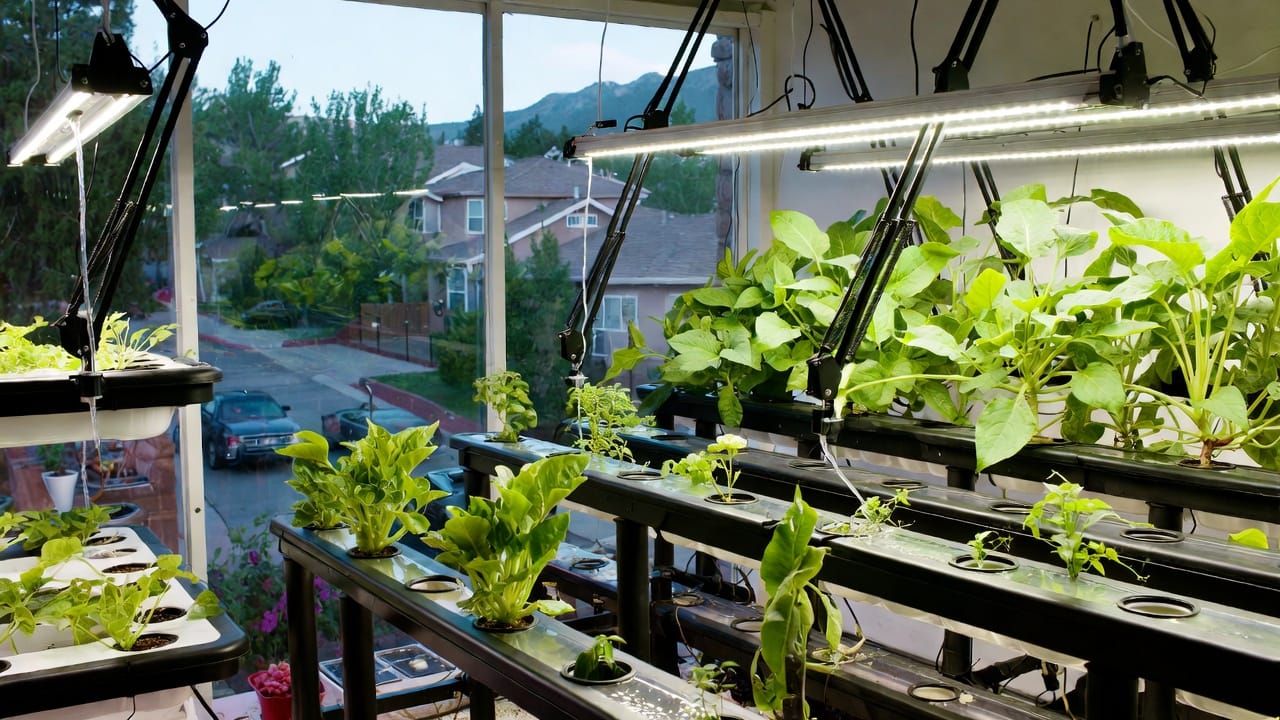
Hydroponic gardening relies on delivering a balanced mix of water, oxygen, and hydroponic nutrients to plant roots. The process starts with a reservoir holding the nutrient solution, pumped or gravity-fed to the plants. Roots absorb what they need, and excess solution returns to the reservoir for recirculation.
Key components include:
Reservoir: Holds the nutrient-rich water.
Pump and Tubing: Circulates the solution in active hydroponic systems.
Growing Media: Supports roots (e.g., coco coir, vermiculite).
Net Pots or Trays: Contain plants and media.
In hydroponic growing, plants convert light into energy via photosynthesis, using CO2 and exhaling oxygen. Roots “breathe” oxygen from the aerated solution, preventing drowning. Monitoring tools like pH meters and EC testers ensure optimal conditions.
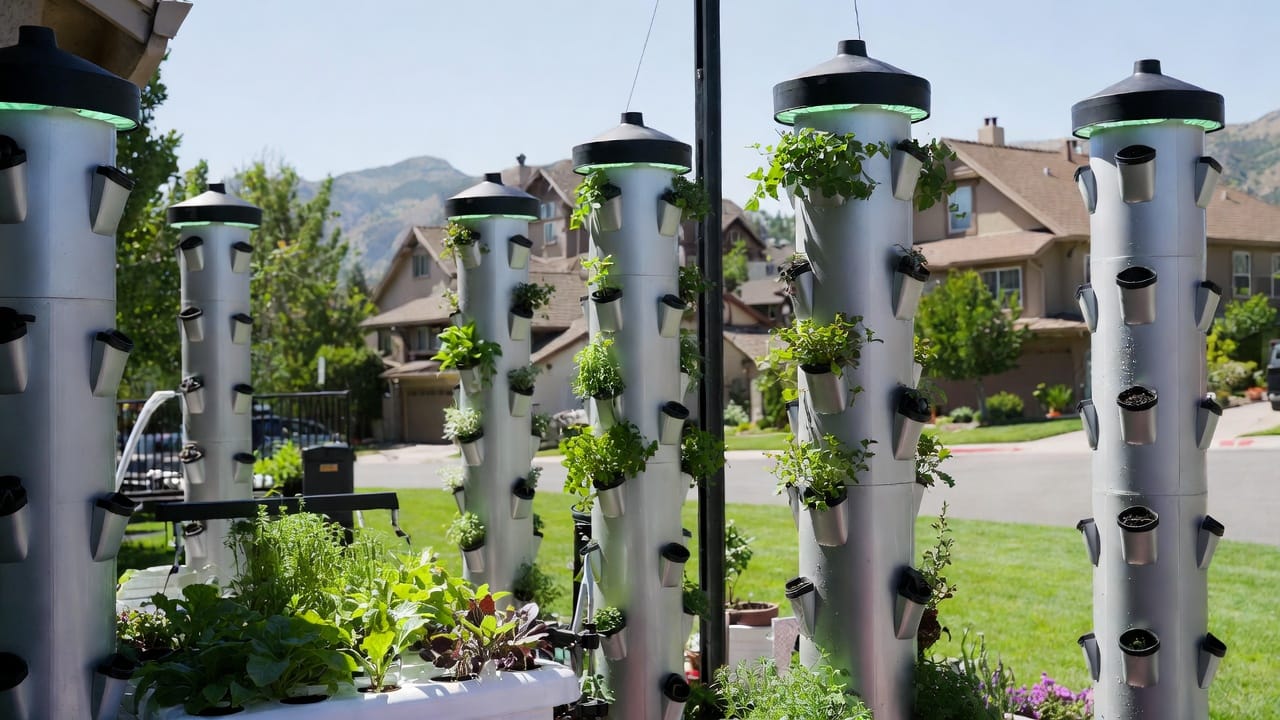
Choosing the right hydroponic system is crucial for successful hydroponic gardening. Here are the main types:
In DWC hydroponic systems, roots dangle in oxygenated nutrient solution. An air pump and stone provide bubbles for oxygen. Pros: Simple, low-cost, fast growth. Cons: Risk of root rot if oxygenation fails. Ideal for hydroponics for beginners growing lettuce or herbs.
NFT hydroponic systems flow a thin film of solution over roots in channels. Pros: Efficient, space-saving for vertical hydroponics. Cons: Pump failures can dry roots quickly. Great for indoor hydroponics with leafy greens.
This system floods the grow tray periodically, then drains. Pros: Versatile for various plants, good oxygenation. Cons: Requires timers; uneven flooding possible. Suitable for home hydroponics with tomatoes or cucumbers.
Drip hydroponic systems deliver solution via emitters to individual plants. Pros: Precise control, scalable. Cons: Clogging risks. Excellent for larger hydroponic gardens.
Passive wick hydroponic systems use capillary action to draw solution from a reservoir. Pros: No electricity needed, easy DIY hydroponics. Cons: Slower for large plants. Best for small indoor hydroponics setups.
Roots are misted with nutrient solution in aeroponics, a high-tech variant of hydroponics. Pros: Maximum oxygenation, rapid growth. Cons: Expensive, sensitive to failures. Advanced for commercial hydroponic growing.
Growing media in hydroponic systems provide support and aeration. Popular options:
Rockwool: Absorbent cubes, great for starting seeds.
Clay Pebbles: Reusable, excellent drainage.
Perlite/Vermiculite: Lightweight, promotes oxygen flow.
Coco Coir: Sustainable, retains moisture well.
Choose media based on your hydroponic system—e.g., clay pebbles for DWC.
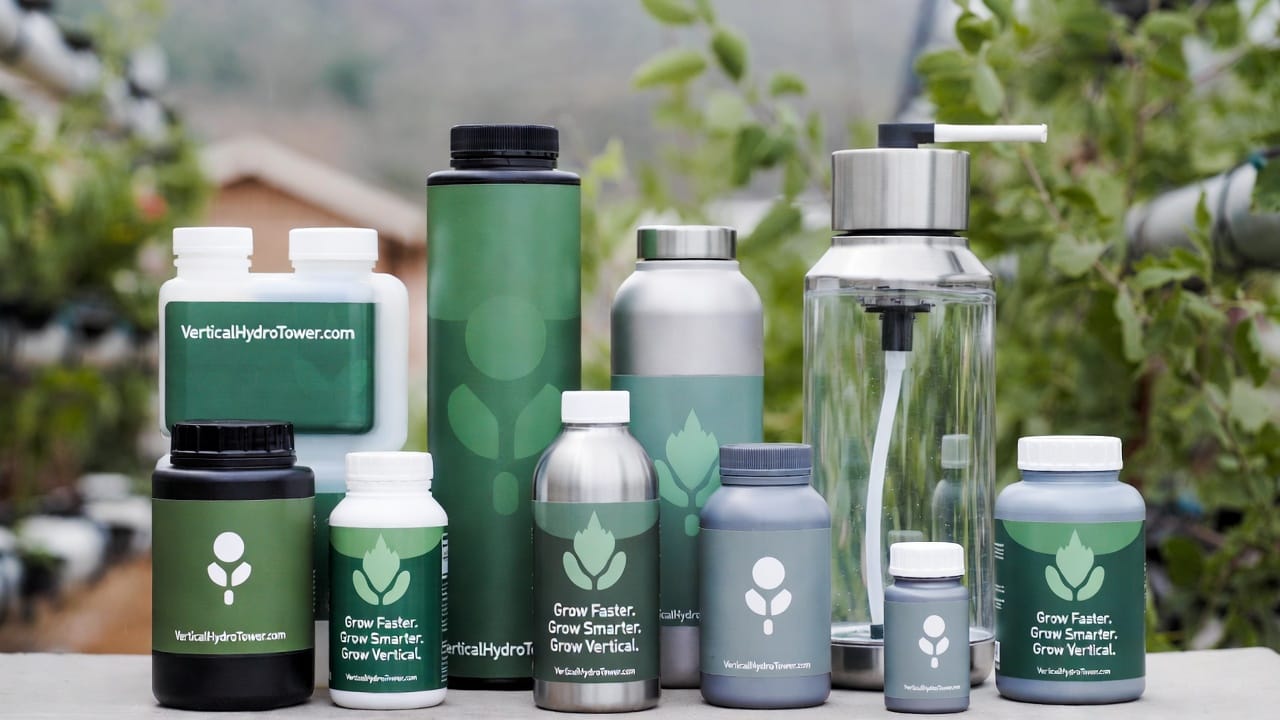
Hydroponic nutrients are essential since there’s no soil. Solutions contain macronutrients (N-P-K) and micronutrients (iron, zinc, etc.). Use pre-mixed formulas for hydroponics for beginners.
Maintain EC at 1.0-2.5 mS/cm and pH at 5.5-6.5 for optimal absorption. Change solutions every 1-2 weeks to prevent buildup. Organic hydroponic nutrients are available for eco-conscious hydroponics.
Light is vital in indoor hydroponics. LED grow lights are energy-efficient, providing full-spectrum illumination. Aim for 14-18 hours of light daily for vegetative growth, 12 hours for flowering.
Position lights 12-24 inches above plants, adjusting as they grow. For outdoor hydroponic gardens, ensure 6+ hours of sunlight.
pH, EC, and Water Quality in Hydroponics
pH affects nutrient availability—too high or low causes deficiencies. Test weekly and adjust with pH up/down solutions.
EC measures nutrient strength; over-fertilization burns roots. Use filtered or RO water to avoid contaminants in hydroponic systems.
Water temperature: 65-75°F to maximize oxygen dissolution.
Hydroponic gardening suits many crops:
Leafy Greens: Lettuce, spinach, kale—fast-growing in NFT or DWC.
Herbs: Basil, mint, cilantro—thrive in wick or drip systems.
Vegetables: Tomatoes, peppers, cucumbers—need support in ebb and flow.
Fruits: Strawberries—excellent in vertical hydroponics.
Flowers: Orchids, marigolds for ornamental hydroponic gardens..
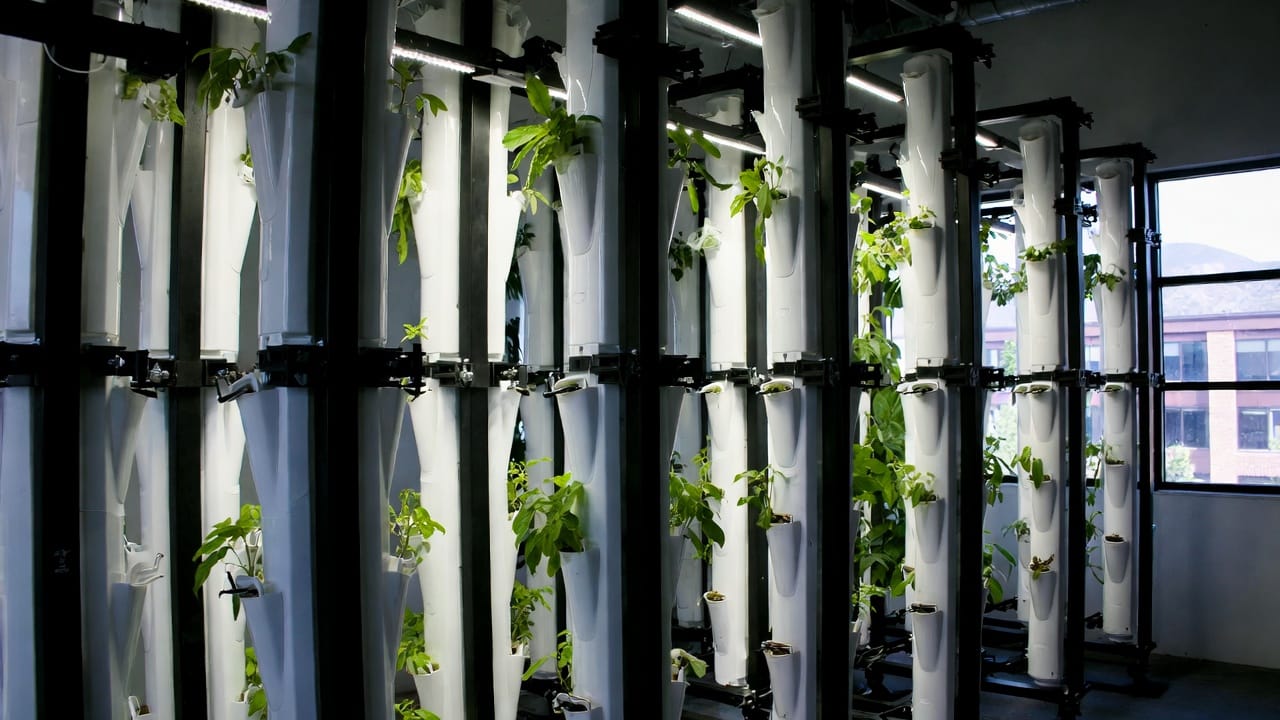
1. Choose a System: Begin with DIY hydroponics like a simple DWC bucket.
2. Gather Materials: Reservoir, pump, media, hydroponic nutrients, pH kit.
3. Prepare Solution: Mix hydroponic nutrients to proper EC/pH.
4. Plant Seeds/Seedlings: Use rockwool for germination.
5. Assemble: Place plants in net pots, connect pump.
6. Monitor: Check daily for issues, adjust as needed.
7. Harvest: Enjoy fresh produce from your home hydroponics.
Budget: $50-200 for basic indoor hydroponics setups.
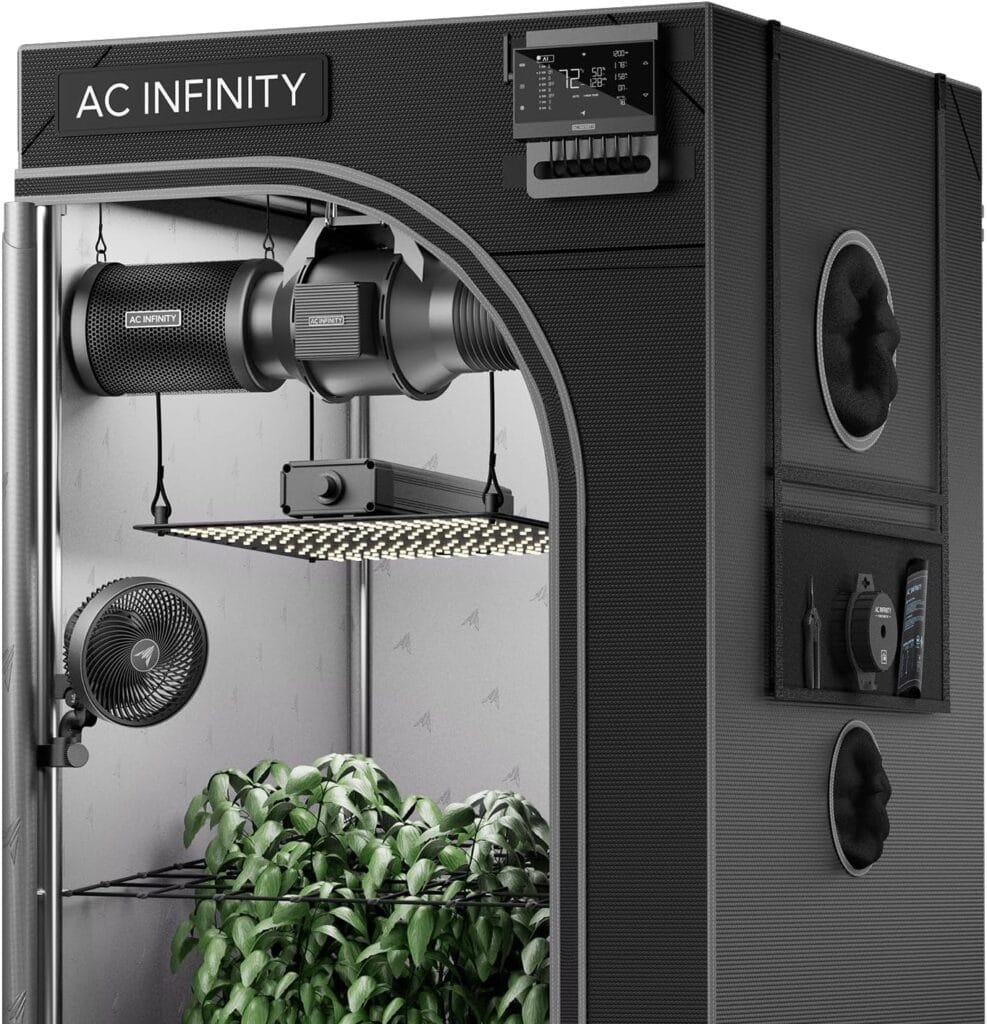
Daily: Check water levels, pH/EC.
Weekly: Top up nutrients, clean components to prevent algae.
Monthly: Flush system, replace solution.
Airflow prevents mold; use fans in enclosed hydroponic gardens.
– Nutrient Deficiencies: Yellow leaves—check pH/EC.
– Root Rot: Brown, slimy roots—increase oxygenation.
– Pests: Aphids—use neem oil sparingly.
– Algae Growth: Cover reservoirs, use opaque materials.
– pH Fluctuations: Stabilize with buffers.
Prevent issues with clean hydroponic systems and consistent monitoring.
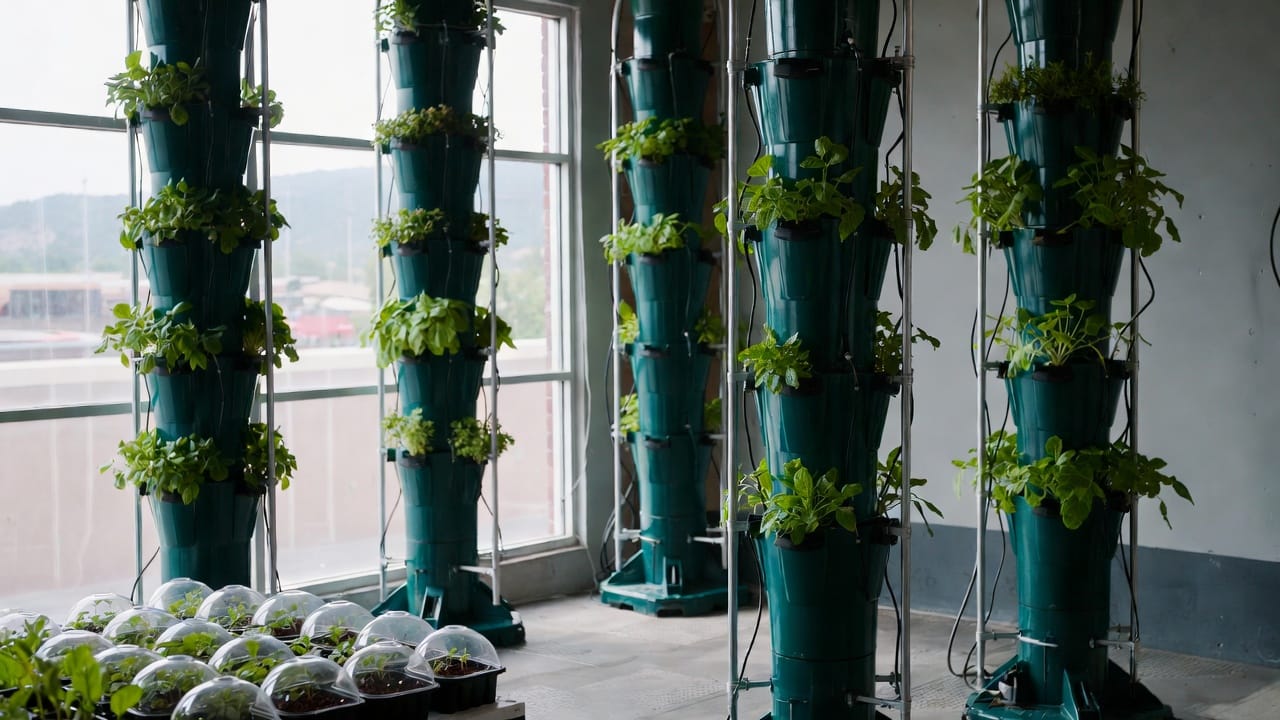
Once mastered basics, explore:
– Aquaponics: Integrate fish for natural hydroponic nutrients.
– Vertical Hydroponics: Stack towers for space-saving.
– Automation: Timers, sensors for hands-off home hydroponics.
– Hybrid Systems: Combine NFT with aeroponics for efficiency.
Experiment with LED spectrums for optimized hydroponic gardening.
Hydroponic gardening is eco-friendly, reducing land use and emissions. Future trends include AI-monitored systems and urban farms. Home hydroponics empowers food security, especially in cities.
Hydroponic gardening transforms how we grow food, offering efficiency, control, and sustainability. Whether starting with DIY hydroponics or advanced indoor hydroponics, this guide equips you for success. Dive into hydroponic growing today and harvest the benefits of your own hydroponic garden.
© 2026 VerticalHydroTower.com • Sustainable Hydroponic Farming