
Picture this: a thriving indoor farm where plants grow up to 50% faster, use 90% less water, and yield bountiful harvests without a single weed or soil-borne pest in sight. That’s the power of advanced hydroponic techniques—a cutting-edge approach that’s transforming agriculture for hobbyists, urban farmers, and commercial growers alike. If you’ve mastered the basics of hydroponics and are ready to elevate your game, this definitive guide is your roadmap.
We’ll dive deep into sophisticated systems, nutrient mastery, automation, and more, equipping you with the knowledge to optimize every aspect of your setup. Whether you’re scaling up for sustainability or fine-tuning for maximum efficiency, advanced hydroponic techniques hold the key to unlocking unprecedented productivity. This isn’t just another overview; it’s the most comprehensive resource available online today, blending expert insights with practical strategies to make you a hydroponic pro.
Advanced hydroponic techniques go beyond simple setups, incorporating precision control, innovative systems, and data-driven decisions to push the boundaries of soilless farming. From integrating IoT for real-time monitoring to experimenting with hybrid systems, these methods address challenges like nutrient imbalances and environmental fluctuations. The result? Healthier plants, higher yields, and lower costs. As global food demands rise and arable land shrinks, advanced hydroponic techniques offer a sustainable solution, enabling year-round production in any climate. Ready to revolutionize your grow? Let’s explore the core elements that define advanced hydroponic techniques.
To excel in advanced hydroponic techniques, start with a solid grasp of the fundamentals. Hydroponics involves growing plants in nutrient-enriched water, sans soil, allowing roots direct access to essentials like nitrogen, phosphorus, potassium, and micronutrients. Advanced hydroponic techniques amplify this by optimizing delivery systems for efficiency. Key principles include maintaining ideal pH (5.5-6.5), electrical conductivity (EC) levels (1.0-2.5 mS/cm), and dissolved oxygen (above 6 ppm) to prevent root rot.
In advanced setups, growers use controlled environment agriculture (CEA) to manipulate variables like temperature (68-78°F), humidity (40-60%), and CO2 (1000-1500 ppm). This precision fosters rapid growth cycles—lettuce in 4 weeks instead of 8. For beginners transitioning to advanced hydroponic techniques, focus on scalable systems that integrate automation. Tools like the Bluelab Combo Meter for pH, TDS, and EC monitoring are essential, providing real-time data to fine-tune your advanced hydroponic techniques.
Advanced hydroponic techniques shine through specialized systems tailored for efficiency and yield. Here’s a breakdown of top contenders:
NFT is a cornerstone of advanced hydroponic techniques, where a thin film of nutrient solution flows continuously over roots in sloped channels. Pros: High oxygen exposure, low water use, ideal for leafy greens like lettuce and herbs. Cons: Susceptible to pump failures; requires constant monitoring. In advanced applications, integrate timers and redundancies for reliability. Scale up with multi-tier setups for vertical farming.
DWC suspends roots in oxygenated nutrient water, amplified in advanced hydroponic techniques with air stones and chillers. Pros: Simple scaling, rapid growth for basil or spinach. Cons: Temperature-sensitive; roots can suffocate without aeration. Advanced tip: Use reservoir chillers like those in the General Hydroponics Flora Series Performance Pack to maintain 65-70°F, preventing pathogens.
This system floods trays periodically, then drains, mimicking natural tides. In advanced hydroponic techniques, customize flood cycles (every 2-4 hours) for crops like tomatoes. Pros: Excellent oxygenation during drain phases. Cons: Risk of overflooding. Enhance with automated controllers for precision.
Drip setups deliver nutrients via emitters, perfect for advanced hydroponic techniques in diverse media like coco coir. Pros: Customizable for fruiting plants; water-efficient. Cons: Clog-prone. Advanced growers use pressure-compensated drippers and filters.
Aeroponics mists roots in air, a hallmark of advanced hydroponic techniques for ultra-fast growth (up to 3x faster). Pros: Minimal water use, maximal nutrient absorption. Cons: High-tech; nozzle failures catastrophic. Ideal for strawberries; pair with high-pressure pumps.
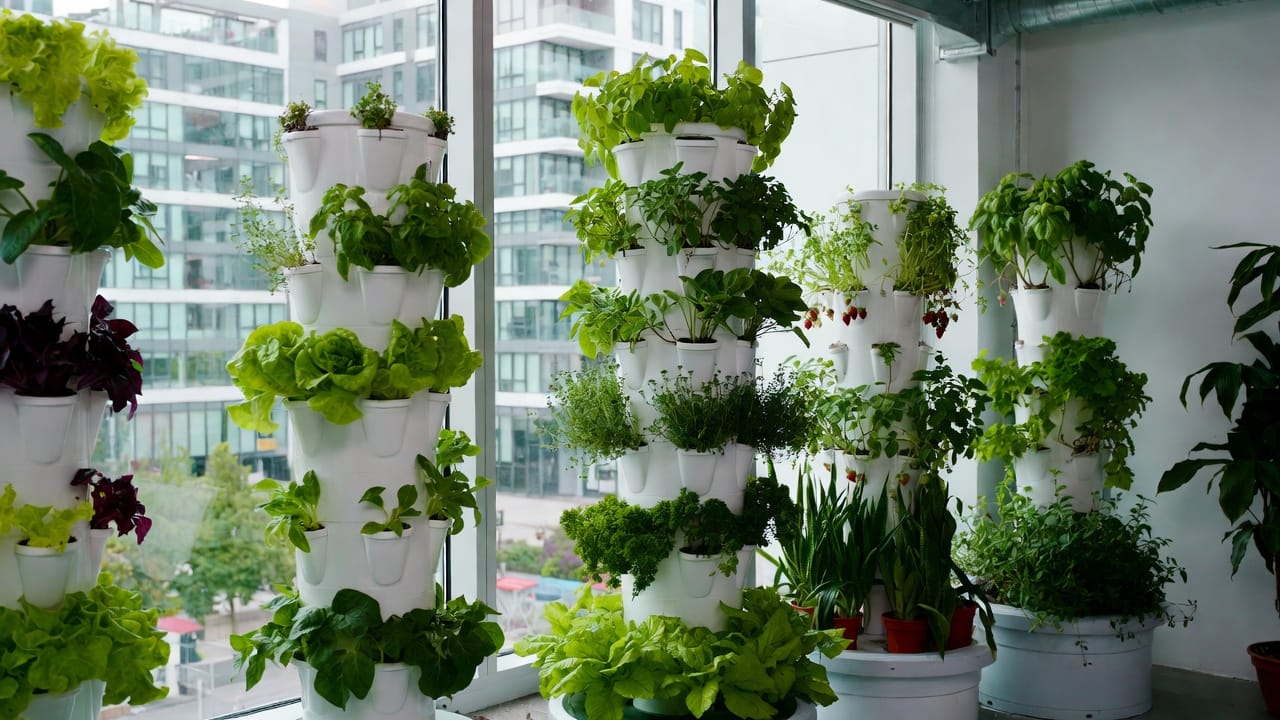
Combine systems (e.g., NFT with aeroponics) for hybrid advanced hydroponic techniques. Vertical towers maximize space, integrating LED lights for urban farms. For more on vertical integration, see our Vertical Hydroponic Tower Setup.
Nutrients are the lifeblood of advanced hydroponic techniques. Use balanced formulas with NPK ratios tailored to growth phases: vegetative (high N, 3-1-2) and flowering (high P/K, 1-3-2). Advanced hydroponic techniques demand chelated micronutrients for bioavailability.
Monitor EC to avoid burn—start low (0.8 mS/cm) and ramp up. Flush systems weekly to prevent salt buildup. For premium results, try the Advanced Nutrients pH Perfect Grow, Micro, Bloom, which auto-adjusts pH for hassle-free advanced hydroponic techniques.
Organic options like compost teas integrate into advanced hydroponic techniques, boosting microbes. Experiment with additives like humic acids for root health.

pH imbalances lock out nutrients; advanced hydroponic techniques require daily checks. Use digital meters for accuracy. EC measures nutrient strength—target 1.5-2.0 for veggies.
Advanced strategies include buffering agents and automated dosers. In fluctuating environments, stabilize with reverse osmosis water.
Light drives photosynthesis in advanced hydroponic techniques. LEDs outperform HIDs with customizable spectra: blue (400-500nm) for veg, red (600-700nm) for bloom. Aim for 30-50 watts/sq ft.
The Spider Farmer SF-4000 LED Grow Light excels in advanced hydroponic techniques, offering dimmable full-spectrum for energy savings.
Supplement with UV/IR for enhanced terpenes in herbs. Use light movers for even coverage in large setups.
Automation elevates advanced hydroponic techniques. IoT devices monitor temp, humidity, and CO2 via apps. Controllers like the Inkbird ITC-308 Temperature Controller automate heating/cooling.
In advanced hydroponic techniques, integrate sensors for predictive adjustments. Fans and dehumidifiers maintain 50% RH to prevent mold.
Advanced hydroponic techniques minimize pests through sterile environments, but vigilance is key. Use beneficial insects like ladybugs; neem oil for organics.
Waterborne issues like pythium require UV sterilizers. Advanced hydroponic techniques include hypochlorous acid for sanitation.
For commercial viability, advanced hydroponic techniques focus on ROI. Warehouse farms use robotics; modular containers offer flexibility.
Calculate yields: 500 heads/week from a 40ft container. Sustainability via renewables reduces costs.
Link to basics with our Beginner’s Guide to Hydroponics.
Nutrient deficiencies show as yellowing; adjust formulas. Root rot? Boost oxygen. Algae? Block light from reservoirs.
Advanced hydroponic techniques use data logging for patterns.
AI optimizes yields; gene editing tailors crops. Vertical integration with aquaponics enhances sustainability.
Explore plant-specific guides like Best Plants for Vertical Hydroponic Systems.
Advanced hydroponic techniques empower you to create efficient, sustainable farms. From NFT mastery to IoT integration, the possibilities are endless. Invest in quality tools, experiment boldly, and watch your yields soar. This guide equips you for success—now, implement these advanced hydroponic techniques and harvest the future.
© 2026 VerticalHydroTower.com • Sustainable Hydroponic Farming