magine transforming a tiny corner of your apartment into a lush, productive garden that yields fresh greens and herbs year-round, without a speck of soil in sight. That’s the magic of vertical hydroponic systems—a game-changer for urban dwellers, busy families, and anyone craving homegrown produce without the hassle of traditional gardening.
If you’re new to this innovative world, you’re in the right place. This comprehensive beginner’s guide will walk you through the best plants for vertical hydroponic systems, why they thrive in these setups, and how to get started with confidence. Whether you’re dealing with limited space or just want to dip your toes into soilless growing, vertical hydroponic systems offer an efficient, rewarding way to cultivate your own food.
Vertical hydroponic systems are revolutionizing how we think about gardening. These towering structures stack plants vertically, using nutrient-rich water to feed roots directly, eliminating the need for soil and maximizing output in minimal footprints. Perfect for beginners, they promise faster growth, higher yields, and fewer pests.
But success starts with choosing the right plants. In this definitive guide—the most thorough resource you’ll find online today—we’ll explore top performers, setup tips, maintenance strategies, and more. By the end, you’ll be equipped to launch your own vertical hydroponic adventure and enjoy bountiful harvests.
Before diving into the best plants for vertical hydroponic systems, let’s break down what these systems are and why they’re ideal for novices. At its core, a vertical hydroponic system is a stacked or tower-based setup where plants grow in a controlled environment.
Water infused with essential nutrients circulates through the system, delivering everything roots need right to the source. Popular types include aeroponic towers (where roots dangle in mist), NFT (nutrient film technique) channels arranged vertically, and drip systems in stacked pots.
Why choose vertical hydroponic systems for beginners? They’re space-efficient, using as little as 2 square feet to grow dozens of plants. No weeding, no heavy lifting, and automated features like timers and pumps make them low-maintenance.
Plus, they conserve water—up to 90% less than soil gardening—and allow year-round growing indoors or out. If you’re in a city like San Francisco with mild weather, these systems shine on balconies or patios.
Getting started? You’ll need a basic kit: a tower or frame, pump, reservoir, grow medium (like rockwool or clay pebbles), and nutrients. For a reliable entry point, consider the AeroGarden Bounty Basic Indoor Gardening System, which comes with LED lights and pods for easy planting. It’s perfect for testing the waters in vertical hydroponic systems without a huge investment.
What makes vertical hydroponic systems so appealing? Beyond space savings, they accelerate plant growth by 30-50% compared to soil methods, thanks to optimized nutrient delivery. Plants in these systems face fewer diseases, as there’s no soil to harbor pathogens. Yields can be staggering—think harvesting lettuce every 4-6 weeks from a single tower.
For beginners, the learning curve is gentle. Monitor pH and nutrient levels with simple tools like the General Hydroponics pH Control Kit, and you’ll avoid common pitfalls. Environmentally, these systems are sustainable, reducing food miles and waste.
Imagine plucking fresh basil for your pasta while knowing you’re contributing to a greener planet. Ready to explore the stars of these setups? Let’s uncover the best plants for vertical hydroponic systems.
Leafy greens are the undisputed champions for beginners in vertical hydroponic systems. Their shallow roots, quick growth cycles, and compact size make them perfect for stacked towers. These plants thrive in the constant moisture and nutrients provided, often ready to harvest in under a month.
Lettuce tops the list of best plants for vertical hydroponic systems due to its versatility and speed. Varieties like romaine, butterhead, and loose-leaf excel, growing from seed to salad in 4-6 weeks. In a vertical setup, you can stack multiple levels, harvesting outer leaves continuously for ongoing supply.
Why lettuce? It tolerates a wide pH range (5.5-6.5) and loves cooler temps (60-70°F), making it ideal for indoor vertical hydroponic systems. Plant density is high—up to 30 heads per tower—yielding fresh, crisp greens without pesticides. For seeds, try the Sow Right Seeds Hydroponic Vegetable Kit, which includes lettuce optimized for hydroponics.
Pro tip: Rotate varieties for diversity. Romaine offers crunch for sandwiches, while butterhead provides tender leaves for wraps. In vertical hydroponic systems, position lettuce at mid-levels for even light exposure.
Spinach is another stellar pick among the best plants for vertical hydroponic systems. This superfood grows rapidly, with baby leaves harvestable in 3-4 weeks. Its compact habit fits snugly in towers, and it packs a punch with iron, vitamins, and antioxidants.
In vertical hydroponic systems, spinach prefers slightly acidic water (pH 6.0-7.0) and moderate light. It’s forgiving for beginners, bouncing back from minor nutrient imbalances. Expect yields of 1-2 pounds per plant over multiple harvests. Pair it with balanced nutrients like the General Hydroponics Flora Series for lush, vibrant leaves.
For heartier options, kale and Swiss chard shine in vertical hydroponic systems. Kale varieties like Lacinato (dinosaur kale) grow tall but remain manageable in towers, offering nutrient-dense leaves rich in vitamins A, C, and K. Harvest young for salads or mature for smoothies.
Swiss chard, with its colorful stems, adds visual appeal to your vertical hydroponic setup. Both tolerate cooler conditions and provide cut-and-come-again harvesting. They’re resilient, making them great for beginners experimenting with vertical hydroponic systems.
Don’t overlook arugula—its spicy flavor elevates any dish, and it’s one of the quickest best plants for vertical hydroponic systems, ready in 3 weeks. Compact and low-light tolerant, it’s perfect for lower tower levels.
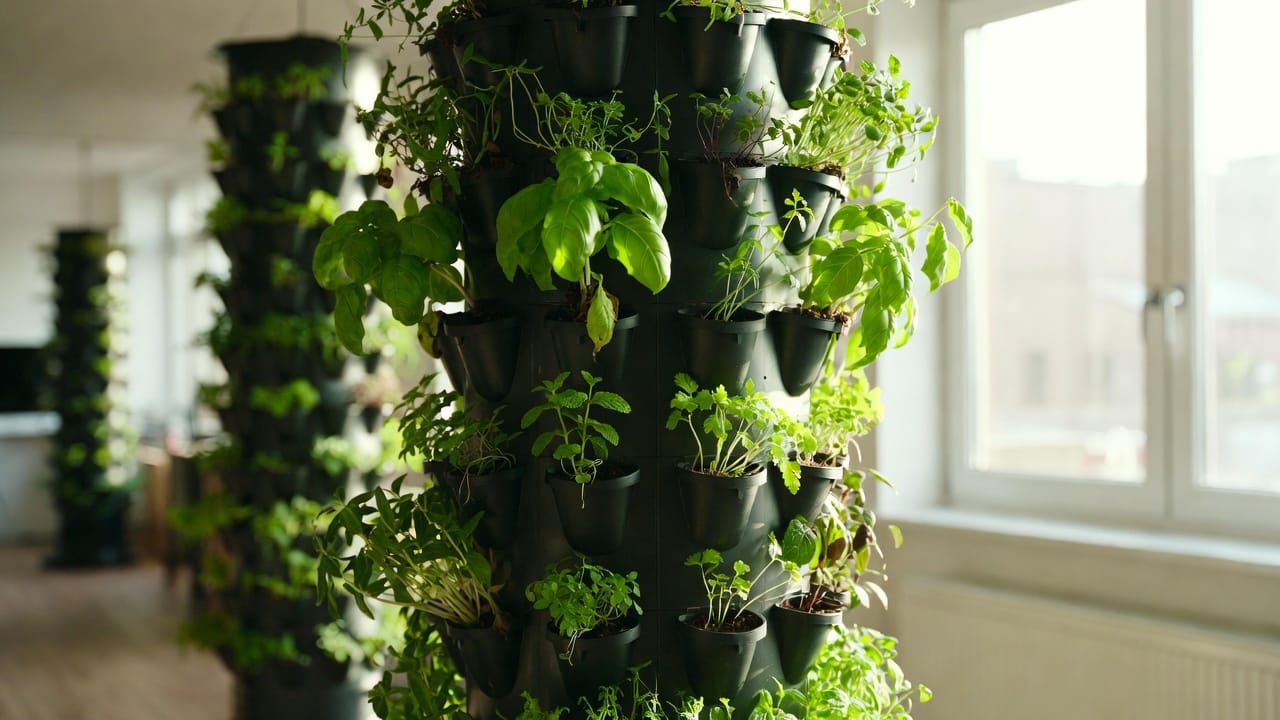
Herbs are a beginner’s dream in vertical hydroponic systems, offering endless culinary uses with minimal space. Their root systems are shallow, allowing dense planting and frequent trims.
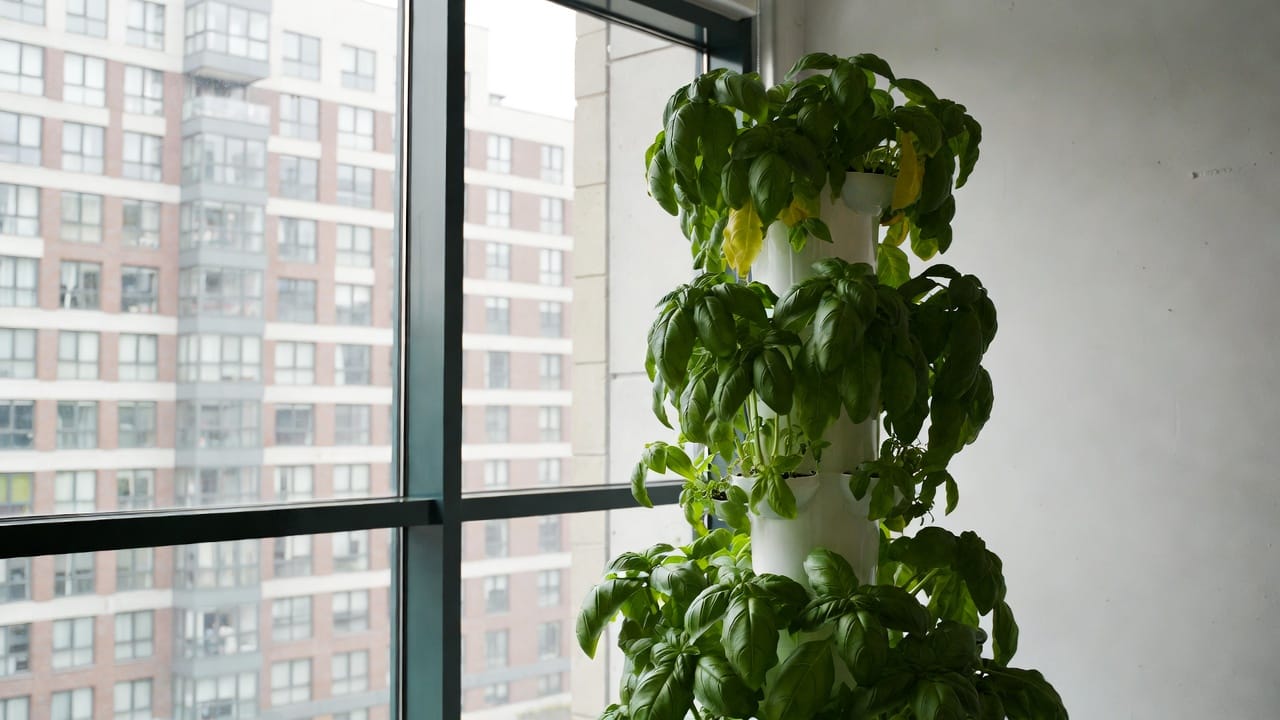
Basil reigns supreme among the best plants for vertical hydroponic systems. Genovese or sweet basil grows vigorously, yielding fragrant leaves for pesto or caprese. In towers, it loves warm temps (70-80°F) and full light, producing up to 20 ounces per plant seasonally.
For optimal growth, use the Masterblend 4-18-38 Hydroponic Fertilizer, tailored for herbs in vertical setups.
Mint spreads like wildfire in soil but stays contained in vertical hydroponic systems, making it ideal for beginners. Harvest for teas or mojitos. Cilantro follows suit, bolting less in controlled environments.
These hardy herbs round out the best plants for vertical hydroponic systems. Parsley provides fresh garnish, oregano adds Italian flair, and thyme offers earthy notes. All grow compactly, fitting multiple varieties in one tower.
Once comfortable with greens and herbs, venture into fruits—these are among the best plants for vertical hydroponic systems for higher rewards.
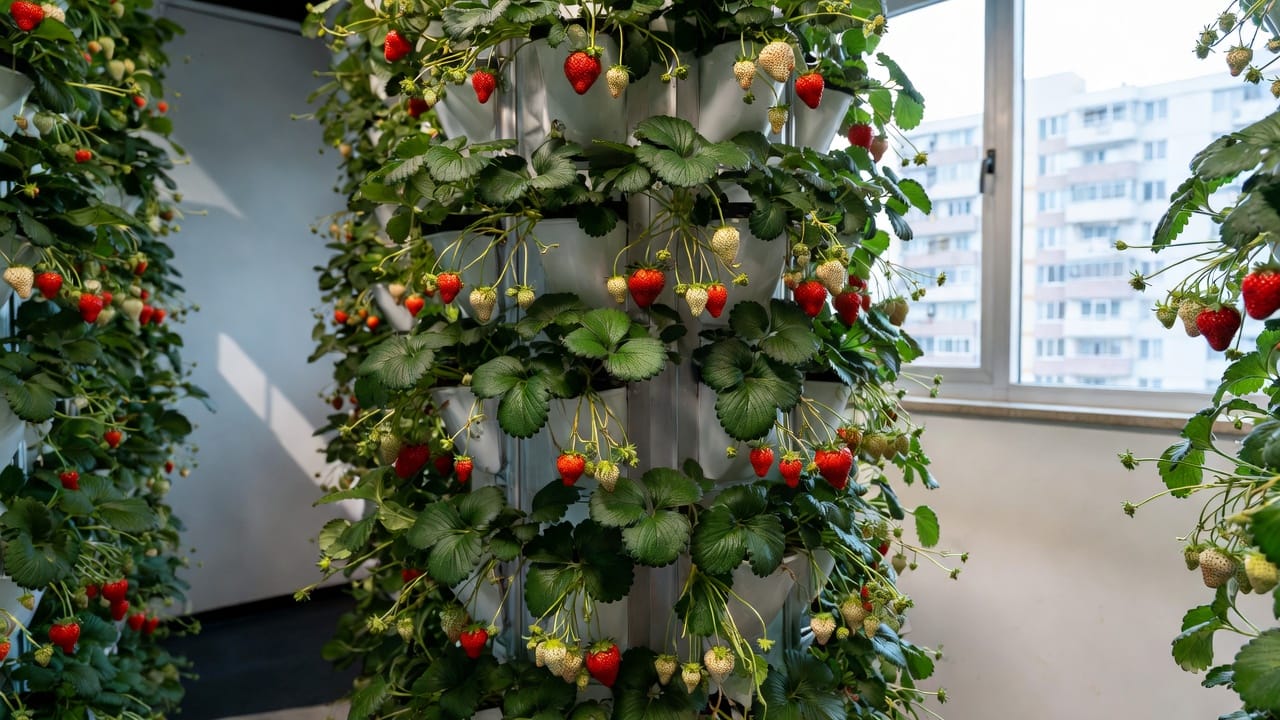
Strawberries adore vertical hydroponic systems, with everbearing varieties like Alpine producing fruit year-round. Their trailing habit suits towers, and they need support for best yields.
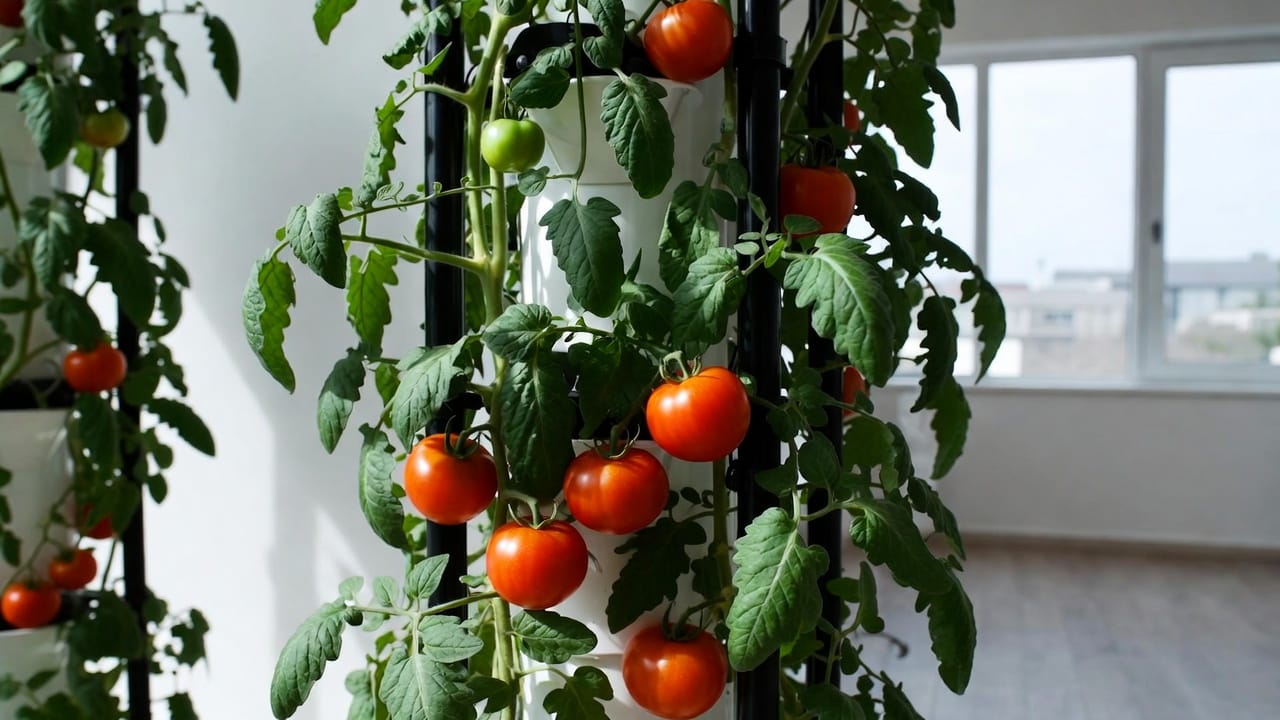
Dwarf cherry tomatoes and mini peppers are excellent for vertical hydroponic systems. They require more light but deliver juicy rewards. Use pollinators like soft brushes for indoor setups.
Pole beans and sugar snap peas climb naturally in vertical hydroponic systems, maximizing space. They’re nitrogen-fixers, benefiting the ecosystem.
Selecting plants boils down to space, light, and goals. For beginners, start with leafy greens in vertical hydroponic systems—they’re forgiving. Consider climate: cooler for greens, warmer for fruits. Match to your setup’s capacity; a 30-pod tower like the VEVOR Hydroponic Growing System handles diversity well.
Choose Your System: Opt for beginner-friendly towers.
Assemble and Position: Indoors near outlets or outdoors in partial sun.
Prepare Nutrients: Mix per instructions.
Plant Seeds or Seedlings: Use rockwool cubes.
Monitor and Adjust: Check pH daily.
For more on building, check How to Build Your Own Vertical Hydroponic System.
Keep water circulating, nutrients balanced, and lights on 12-16 hours. Prune regularly, watch for algae, and harvest promptly. Common issues? Nutrient burn—dilute solutions.
Learn more at Maintaining Your Hydroponic Garden.
Overcrowding towers leads to poor airflow. Ignoring pH causes lockout. Start small to avoid overwhelm.
Experiment with companion planting, like basil with tomatoes. Integrate smart apps for monitoring. Scale up with multiple towers.
Dive deeper with Advanced Hydroponic Techniques.
Vertical hydroponic systems open a world of fresh, sustainable produce. With the best plants like lettuce, basil, and strawberries, beginners can achieve impressive results. Invest in quality products, follow this guide, and watch your garden flourish. Your kitchen—and the planet—will thank you.
© 2026 VerticalHydroTower.com • Sustainable Hydroponic Farming