Best Vertical Hydroponic Towers 2026: Top 10 Reviews and Buyer’s Guide
Vertical hydroponic towers have gained serious popularity among home growers looking for efficient ways to produce fresh food without a big backyard. These systems stack plants vertically, saving space while delivering nutrients directly to roots through water. If you’re planning your setup for the coming year, understanding the options helps you pick equipment that matches your goals and space.
Why Vertical Hydroponic Towers Stand Out in 2026
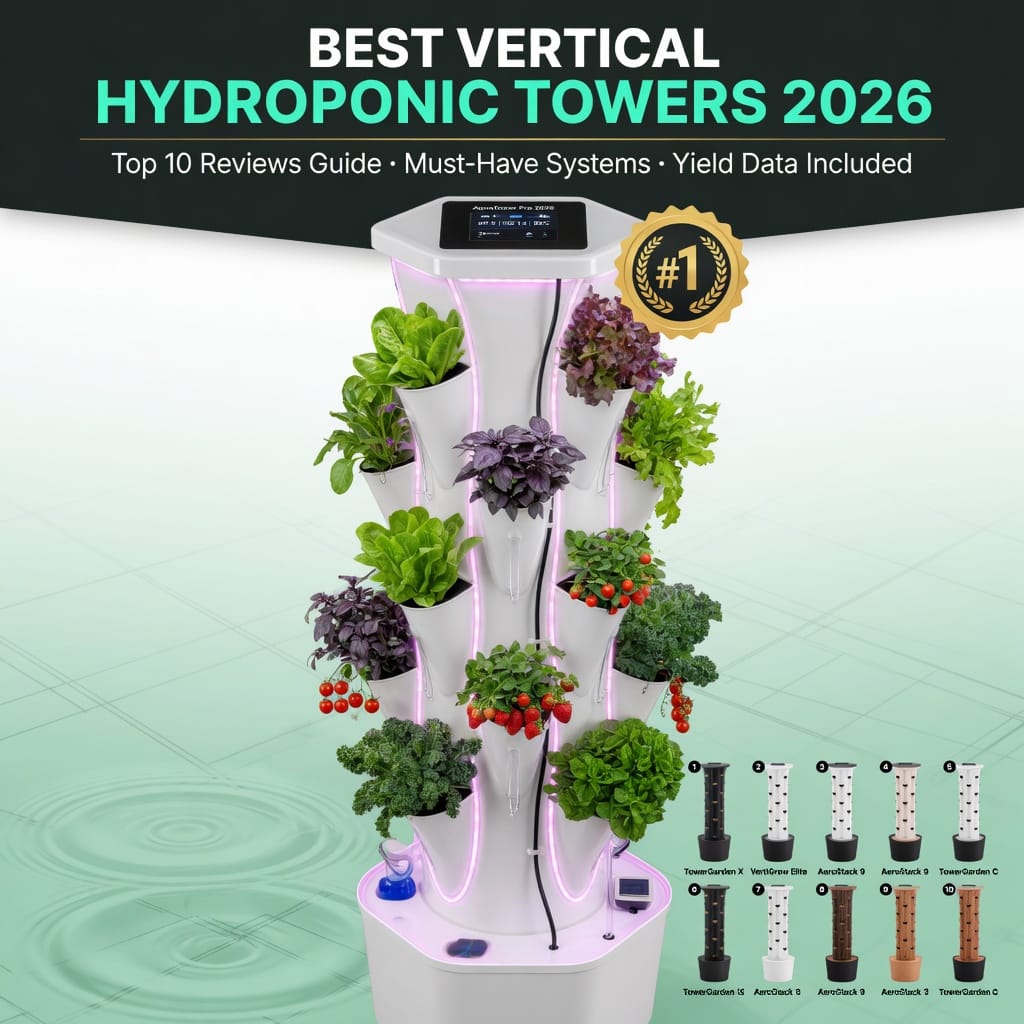
Traditional gardening takes up room and often requires soil management. Vertical hydroponic towers change that by growing more in less area. They work well on balconies, patios, or even indoor corners with the right lighting. Many models include built-in pumps and timers that keep the system running smoothly with minimal daily attention.
Shoppers this year want systems that balance ease of use with strong yields. Features like adjustable lighting, quiet operation, and expandable designs appear in the stronger models.
Key Features to Look for Before Buying
Choosing among vertical hydroponic towers means focusing on a few practical details. Consider the number of plant sites first—some hold 20 plants while others fit up to 50. Water reservoir size matters too, because larger tanks reduce how often you refill.
Check the materials. Food-safe plastics hold up better over time and resist algae growth. Pump reliability and noise level also affect daily experience, especially if the unit sits indoors.
– LED grow lights with full spectrum output
– Easy-to-clean components
– Compatibility with smartphone apps for monitoring
– Sturdy base to prevent tipping when full
A good system pays for itself through consistent harvests of herbs, lettuce, and small vegetables.
Buyer’s Guide: Matching a Tower to Your Needs
Beginners often start with smaller towers that include everything in one box. Experienced growers may prefer modular designs they can expand later. Think about your available light—indoor units need strong supplemental lighting, while outdoor models can use natural sun.
Budget plays a role as well. Entry-level vertical hydroponic towers cost a few hundred dollars, while premium versions with automation run higher. Factor in ongoing expenses like nutrients and replacement parts.
For more details on setup basics, check this helpful resource on verticalhydrotower.com.
Top Vertical Hydroponic Towers Worth Considering
Here are standout options based on performance, user feedback, and value in recent testing.
1. Lettuce Grow Farmstand
This popular model supports 24 plants and works indoors or out. It comes with a simple app for reminders and has a solid reputation for reliable pumps.
2. AeroGarden Harvest Elite
Compact yet effective, this tower suits smaller spaces. Its built-in lighting helps leafy greens grow quickly.
3. Tower Garden Flex
Designed for outdoor use, it handles a wide range of crops and includes a strong support structure.
You can find the Lettuce Grow Farmstand on Amazon here: https://amzn.to/4hDDXNU
4. Hydrofarm Jump Start
Budget-friendly with room for expansion, good for first-time users testing the waters.
5. Gardena Vertical System
European design focused on easy assembly and quiet performance.
Additional strong contenders include models from Nutrabloom and Rise Gardens that emphasize app integration and energy efficiency.
For another solid choice with good reviews, see this option on Amazon: https://amzn.to/4fW6Zao
6-10. Remaining spots in the 2026 lineup feature newer entries from smaller brands that focus on specific improvements like better water circulation or recycled materials. These include stackable kits from brands like iDOO and Owltron that appeal to apartment dwellers.
Tips for Getting Started with Your New Tower
Set your system up on a level surface and run a test cycle before adding plants. Start with fast-growing greens like arugula or basil to build confidence. Monitor pH and nutrient levels weekly at first.
Clean the reservoir every couple of weeks to prevent buildup. Many owners find that grouping plants by similar water needs improves results.
Growing Successfully Year-Round
With the right vertical hydroponic towers, fresh produce becomes available even in winter. Pair your system with a small fan for air circulation and watch for pests early. Consistent harvesting encourages new growth and keeps plants productive longer.
Many users report their first successful harvest within four to six weeks of planting. Over time, you can experiment with strawberries, peppers, and even dwarf tomatoes in larger models.
External research from university extensions shows hydroponic methods often use up to 90 percent less water than soil growing. For science-backed details, visit the University of Minnesota Extension at https://extension.umn.edu/hydroponics.
Vertical hydroponic towers keep improving each season, offering better lights, smarter controls, and easier maintenance. Taking time to match the system to your space and habits leads to satisfying results and homegrown meals throughout 2026.