Growing Strawberries in a Vertical Hydroponic Tower: Ultimate Guide
Vertical hydroponics offers a space-saving way to grow fresh strawberries without soil. Many home gardeners find that a tower system lets them produce fruit year-round even in small apartments or balconies. The setup stays compact while giving plants the nutrients and water they need.
Growing strawberries in a vertical hydroponic tower works especially well because the plants like good airflow and consistent moisture. The vertical design keeps leaves off the ground, which cuts down on common pests and rot.
Benefits of This Growing Method
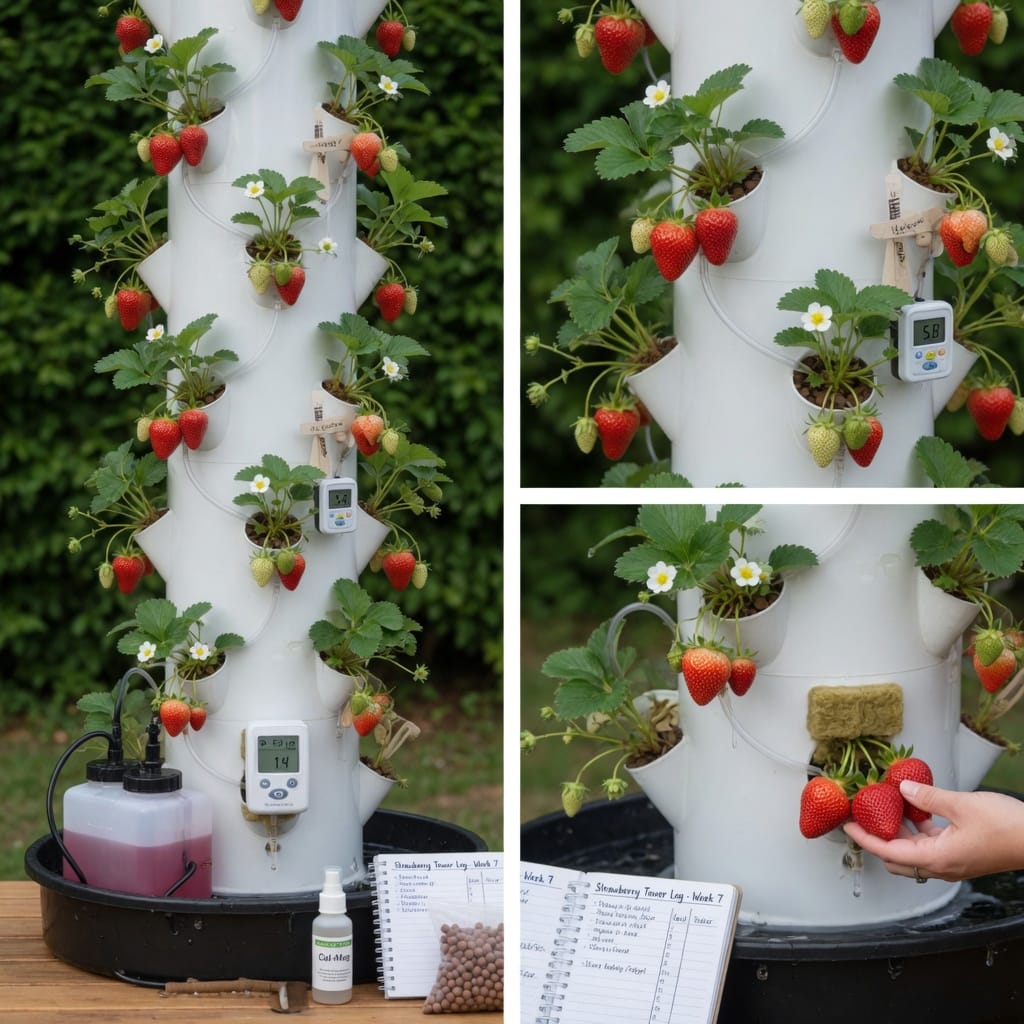
People choose this approach for several practical reasons. It uses up to 90 percent less water than traditional gardening. You also avoid weeds and soil-borne diseases. The stacked levels let you harvest dozens of berries from an area the size of a small table.
Another advantage is easier maintenance. You can adjust the nutrient mix quickly and check roots at a glance. Many users report that their first harvest comes faster than with soil beds because roots get oxygen and food directly.
If you want more background on different tower styles, see this post on verticalhydrotower.com.
Picking the Right Tower System
Not every tower works the same for strawberries. Look for models with plenty of planting pockets and a strong pump that circulates water evenly. Good drainage holes prevent pooling that can cause root issues.
Consider the material too. Food-grade plastic holds up best against constant moisture. Some towers include built-in LED lights, which help when natural sunlight is limited.
Choosing Strawberry Varieties
Day-neutral strawberries tend to perform best in towers because they keep producing fruit as long as temperatures stay mild. Varieties like Seascape or Albion give good yields and resist some common problems. Everbearing types also work if you live in a cooler climate.
Start with disease-free plugs or bare-root plants from a reputable supplier. Avoid runners from outdoor gardens, as they can carry pests into the closed system.
Setting Up the Nutrient Solution
Mix a balanced hydroponic formula made for fruiting plants. Strawberries like slightly higher potassium once flowers appear. Keep the pH between 5.5 and 6.5 for best uptake.
Change the reservoir every seven to ten days to avoid salt buildup. Top off with fresh water in between if levels drop. A simple EC meter helps you track strength without guesswork.
Lighting, Temperature, and Airflow
Strawberries need 12 to 14 hours of light daily for steady production. Place the tower near a south-facing window or add full-spectrum LEDs. Keep daytime temperatures around 65 to 75°F and nights a bit cooler.
Good airflow prevents mold on leaves and fruit. A small oscillating fan on low works well. Rotate the tower every few days so all sides get even light.
Planting and Daily Care
Fill the pockets with a light growing medium like clay pebbles or rockwool cubes. Gently place each plant so the crown sits just above the medium. Run the pump on a cycle of 15 minutes on and 45 minutes off at first.
Check moisture daily for the first week. Once roots establish, the automated system handles most of the work. Prune older leaves and any runners that appear so energy goes into fruit.
Pollination and Flowering
Indoor towers need a little help with pollination. Use a soft paintbrush to move pollen between flowers once they open. Do this every other day during bloom. You will see small green fruits form within a week or two.
Feed a bloom booster formula when the first flowers show. This supports bigger berries without extra effort.
Harvesting Your Berries
Pick strawberries when they turn fully red and feel slightly soft. Twist gently rather than pulling to avoid damaging the plant. Regular picking encourages more flowers.
Most towers produce for several months with steady care. Expect the heaviest harvests in spring and fall when temperatures stay moderate.
Troubleshooting Common Problems
Yellow leaves often mean the nutrient solution needs adjusting. Brown tips can signal high salt levels, so flush the system and start fresh. If fruit stays small, increase light hours or check potassium levels.
Spider mites sometimes appear in dry indoor air. Wipe leaves with a damp cloth or introduce beneficial insects if the problem grows. Keep the tower clean between cycles to limit carryover.
With a little attention at setup, growing strawberries in a vertical hydroponic tower becomes a reliable routine that supplies fresh fruit with minimal daily work.