As an Amazon Associate I earn a small commission from qualifying purchases made using links from this website.
Imagine plucking fresh, vibrant basil from a sleek setup in your kitchen, or harvesting crisp lettuce from a balcony tower—all without digging in dirt or worrying about weeds. That’s the thrill of hydroponics for beginners, a game-changing way to grow food that’s efficient, fun, and surprisingly simple. If you’ve ever felt overwhelmed by traditional gardening’s soil hassles or limited space, this beginners guide to hydroponics is your roadmap to success.
We’re talking faster growth, higher yields, and total control over your plants’ environment. Whether you’re in a tiny San Francisco apartment or a suburban home with room to spare, hydroponics for beginners opens up a world of possibilities.
This isn’t some fluffy overview; it’s the most comprehensive beginners guide to hydroponics you’ll find online, packed with practical tips, step-by-step instructions, and real-world advice to get you growing confidently. By the time you’re done reading, you’ll be ready to set up your first system and watch your garden thrive. Let’s break it down and make hydroponics for beginners feel like second nature.
Hydroponics for beginners starts with understanding the basics: it’s a method of growing plants without soil, using nutrient-rich water instead. Roots dangle directly in the solution or a supportive medium, absorbing everything they need—faster and more efficiently than in dirt.
This beginners guide to hydroponics will show you why it’s exploding in popularity. No more battling poor soil quality or seasonal freezes; hydroponics lets you grow year-round, indoors or out. For urban folks, hydroponics for beginners means turning unused spaces into productive farms.
Think about it: 90% less water used, no pesticides if you choose organic, and plants that grow up to 50% quicker. If you’re new, don’t sweat it—this beginners guide to hydroponics demystifies everything, from setup to harvest.
At its core, hydroponics for beginners involves delivering water, oxygen, and nutrients straight to plant roots. The word “hydroponics” comes from Greek roots meaning “water working,” and it’s been around since ancient times—think Hanging Gardens of Babylon. Modern hydroponics for beginners uses science to optimize growth.
Plants don’t need soil; they need the minerals in it. In this beginners guide to hydroponics, we’ll explain how systems like deep water culture or nutrient film technique mimic nature but better. Benefits? Fewer pests, no weeding, and customizable environments. Hydroponics for beginners is forgiving too—mistakes show quickly, so you learn fast. Ready to explore why this is the future of home growing?
Diving into hydroponics for beginners unlocks perks that traditional gardening can’t match. First, space efficiency: vertical systems fit dozens of plants in a footprint smaller than a coffee table. This beginners guide to hydroponics highlights water savings—recirculating setups use a fraction compared to soil gardens. Yields? Expect more produce per plant, with harvests every few weeks. For health nuts, hydroponics for beginners means cleaner food—no soil-borne diseases or heavy metals.
Environmentally, it’s a win: less runoff, lower carbon footprint from homegrown eats. Cost-wise, after initial setup, hydroponics for beginners saves on water bills and store trips. Families love it as a hands-on project; kids get hooked watching roots grow in clear water. This beginners guide to hydroponics will convince you—it’s sustainable, rewarding, and addictive.
Choosing a system is key in hydroponics for beginners. This beginners guide to hydroponics covers the main types to help you decide.
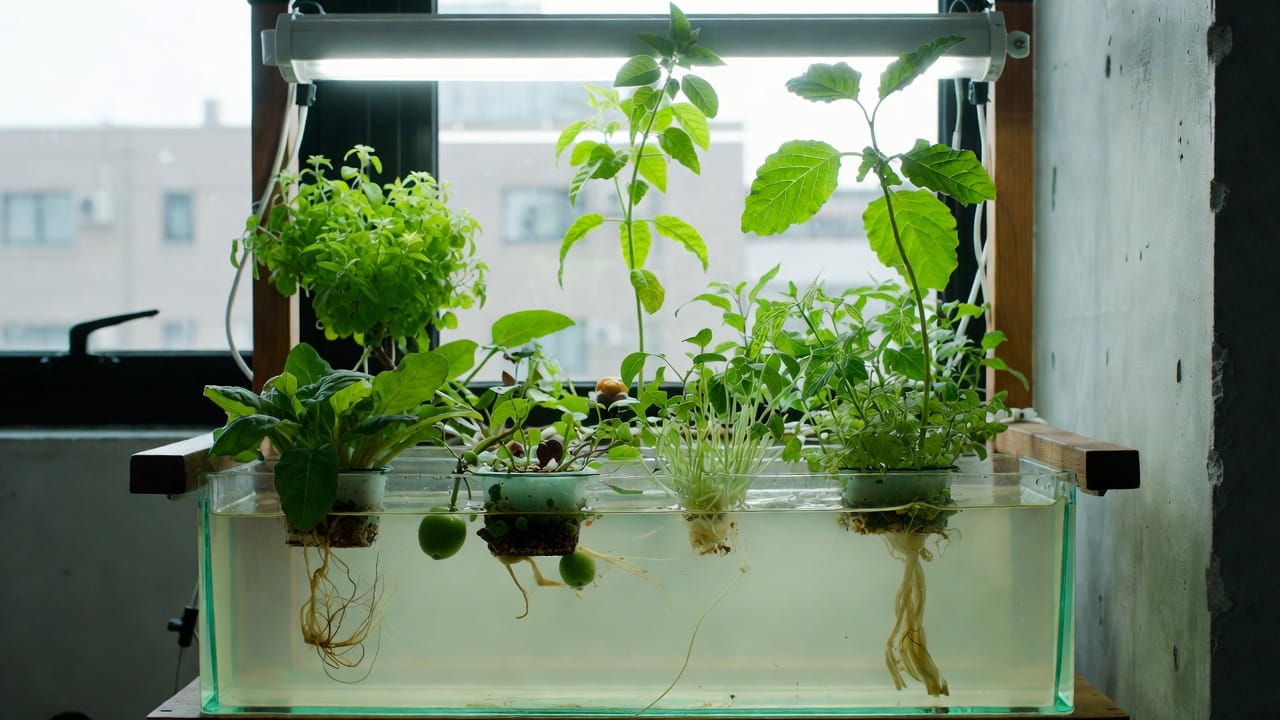
DWC is ideal in hydroponics for beginners—plants float in oxygenated water. Simple, cheap, and effective for lettuce or herbs. Pros: Low maintenance, fast setup. Cons: Watch for root rot. Start here in your beginners guide to hydroponics journey.
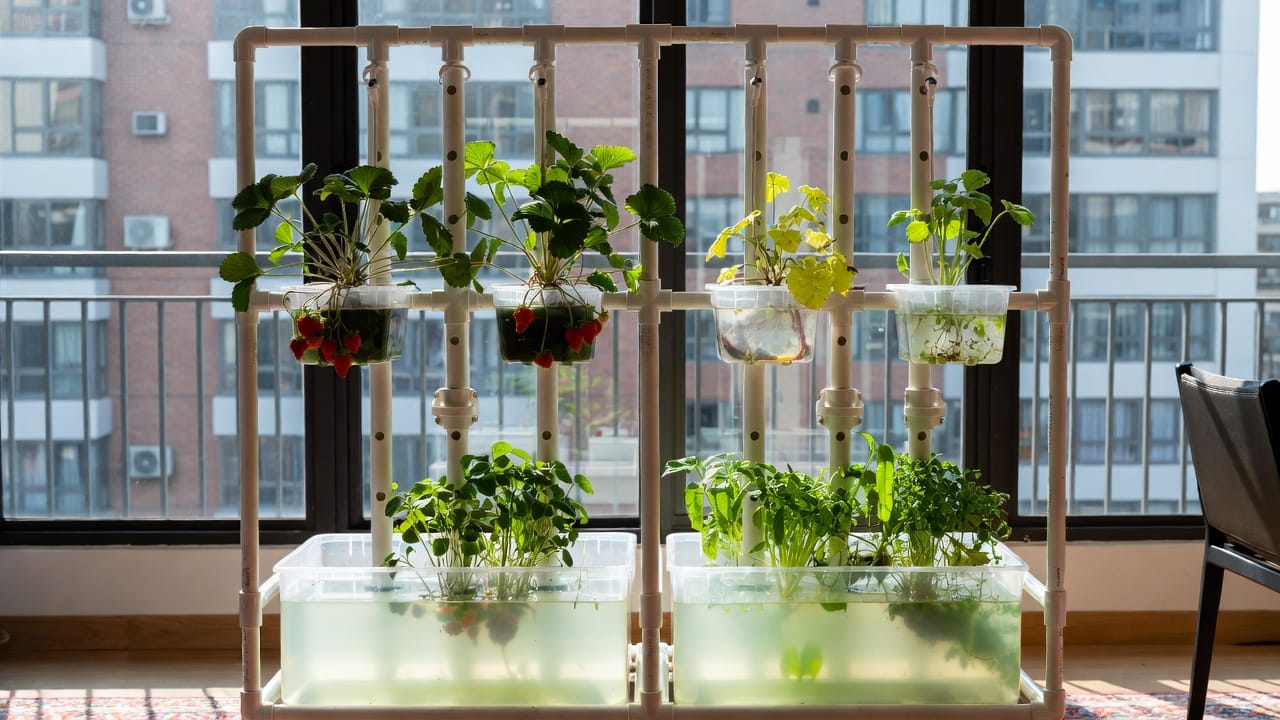
NFT streams a thin nutrient film over roots in channels. Great for hydroponics for beginners wanting continuous harvests. Pros: High oxygen, space-saving. Cons: Pump-dependent. This beginners guide to hydroponics recommends it for salads.
No pumps—wicks draw nutrients up. Perfect hydroponics for beginners on a budget. Pros: Silent, simple. Cons: Slower growth. Use for small herbs in this beginners guide to hydroponics.
Floods roots periodically, then drains. Flexible for hydroponics for beginners experimenting. Pros: Good aeration. Cons: Timer needed.
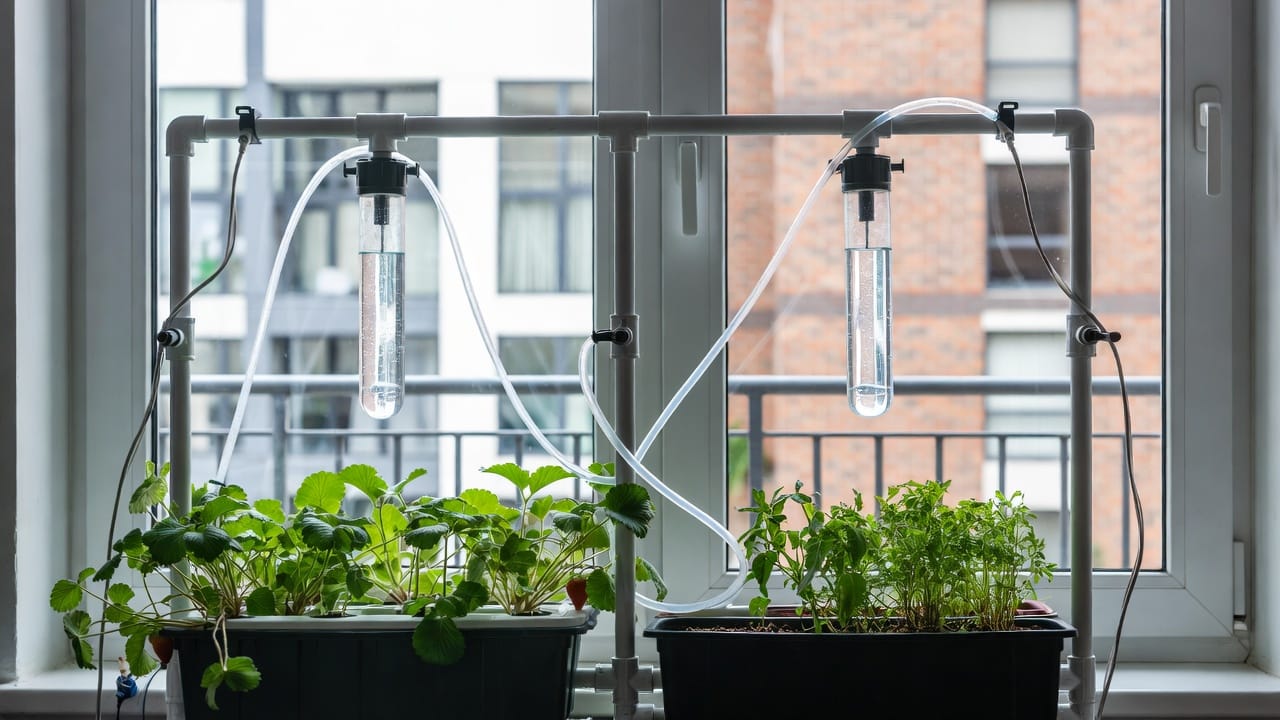
Drips nutrients to each plant. Scalable in hydroponics for beginners. Pros: Customizable. Cons: Clog risks.
Mists roots in air. Fastest growth, but trickier for hydroponics for beginners. Save for later in your beginners guide to hydroponics.
Pick based on space—DWC for starters.
Ready to build? This beginners guide to hydroponics walks you through.
Reservoir, pump, medium, nutrients. For a kit, try the AeroGarden Harvest Indoor Hydroponic Garden—perfect plug-and-play for hydroponics for beginners.
Indoors? Use grow lights like MARS HYDRO TS600 LED Grow Light. Outdoors? Partial sun.
For DWC: Fill bucket, add air stone, insert plants in net pots. Mix nutrients with General Hydroponics Flora Series.
5.5-6.5 is key. Use General Hydroponics pH Control Kit.
Pump like VIVOSUN Hydroponic Air Pump keeps oxygen high.
Monitor and adjust—this beginners guide to hydroponics stresses consistency.
For builds, see How to Build Your Own Vertical Hydroponic System.
Leafy greens shine in hydroponics for beginners. Lettuce: Quick, forgiving. Herbs like basil: Aromatic rewards. Strawberries: Fun fruits. Avoid root veggies initially. This beginners guide to hydroponics suggests starting small.
More ideas in Best Plants for Vertical Hydroponic Systems.
No soil means you provide everything. Use balanced mixes—nitrogen for leaves, phosphorus for roots. In hydroponics for beginners, monitor EC for strength. pH locks nutrients; test daily. This beginners guide to hydroponics warns: Imbalances cause yellowing.
Sun or LEDs? Hydroponics for beginners indoors needs 12-16 hours light. Control temp (65-75°F), humidity (40-60%). Fans aid circulation. This beginners guide to hydroponics covers CO2 boosts for pros.
Daily checks: Water levels, pH. Weekly: Nutrient changes. Clean to avoid algae. Hydroponics for beginners means vigilance pays off.
Details in Maintaining Your Hydroponic Garden.
Nutrient burn? Dilute. Root rot? More oxygen. Pests? Isolate. This beginners guide to hydroponics equips you to fix fast.
Start small, add towers. Hydroponics for beginners evolves—try automation. This beginners guide to hydroponics inspires growth.
Hydroponics for beginners isn’t just a hobby; it’s a shift to smarter living. Experiment, harvest, and share your wins. Your green thumb awaits—dive in and grow!
© 2026 VerticalHydroTower.com • Sustainable Hydroponic Farming