Imagine stepping into your kitchen and plucking fresh basil for dinner, or harvesting juicy strawberries right from your living room. Sounds like a dream? It’s not—it’s the reality of home farming with a hydroponic tower garden. This innovative setup lets you grow plants without soil, using nutrient-rich water to deliver everything your greens need. If you’re tired of patchy backyard gardens or pricey grocery store produce, a hydroponic tower garden could be your game-changer.
In today’s busy world, more people are turning to vertical farming solutions like the hydroponic tower garden. It’s compact, efficient, and perfect for apartments or small spaces. Whether you’re a newbie gardener or a seasoned pro, this system makes growing your own food feel effortless. Let’s dive into why this must-have tool is revolutionizing home farming.
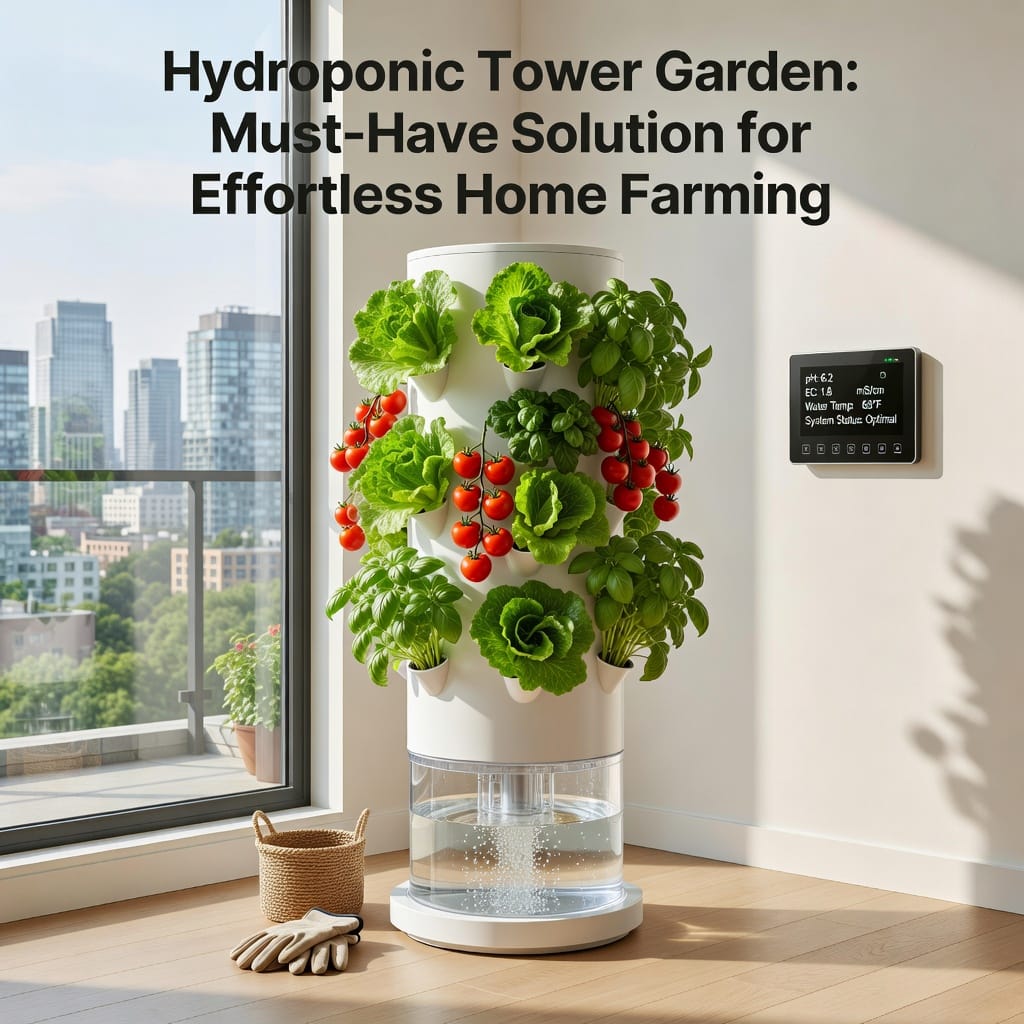
A hydroponic tower garden is a vertical, soilless growing system that stacks plants in a tower-like structure. Water and nutrients flow through the tower, reaching the roots directly. No dirt means no mess, and plants grow faster because they get exactly what they need, when they need it.
These towers come in various sizes, from countertop models to full backyard units. The core idea? Stackable pods or net pots hold the plants, and a pump circulates oxygenated water up and down the structure. It’s like a high-rise for your veggies, maximizing space while minimizing effort.
What sets the hydroponic tower garden apart from traditional methods is its efficiency. In soil gardening, roots spend energy searching for water and nutrients. Here, everything’s delivered straight to them, leading to quicker harvests—often in half the time.
If you’re curious about the science behind hydroponics, it’s been around since ancient times but got a modern boost from NASA for space farming. For more on getting started, check out our beginner’s guide to hydroponic systems.
Why bother with a hydroponic tower garden when you could just buy plants from the store? For starters, it’s incredibly space-saving. Traditional gardens sprawl out, but this tower grows upward, fitting into tight spots like balconies or indoor corners.
Freshness is another big win. Pick leafy greens minutes before eating, and you’ll taste the difference—no wilting produce here. Plus, it’s year-round farming. No waiting for seasons; control your environment with lights and temperature to harvest anytime.
Health perks? Home-grown means no pesticides if you choose organic nutrients. You’re eating cleaner, and kids can learn where food comes from. Environmentally, it’s a boon too—uses up to 90% less water than soil gardens and cuts down on transport emissions from store-bought goods.
Cost-wise, a hydroponic tower garden pays off over time. Initial setup might run a few hundred bucks, but you’ll save on groceries. And it’s beginner-friendly; automation handles watering and feeding, so you avoid the guesswork.
Many users report higher yields. One tower can produce as much as a 100-square-foot garden bed. If sustainability matters to you, this system’s recirculating water makes it eco-friendly. Studies from places like the University of Arizona highlight how hydroponics reduces resource use—worth a read on their sustainable agriculture research.
Not all hydroponic tower gardens are created equal. Think about your setup first. For indoor use, look for compact models under 5 feet tall. Outdoor ones can handle larger towers, up to 8 feet or more.
Material matters too. PVC or food-grade plastic towers are durable and lightweight. Aeroponic versions mist roots for even faster growth, while drip systems are simpler for beginners.
Budget plays a role. Entry-level kits start around $100, perfect for herbs. Mid-range options, $200-500, include pumps and timers. Premium hydroponic tower gardens, like those with LED grow lights, can hit $1,000 but offer app controls for monitoring pH and nutrients.
Consider expandability. Some systems let you add modules as you gain confidence. Energy use is low—a small pump sips power, and timers keep things efficient.
Popular picks include stackable towers from brands that make assembly a breeze. For a reliable starter, the RELIANT TACTICAL Hydroponic Grow Tower is a solid choice with 50 plant sites and easy setup instructions.
Setting up a hydroponic tower garden doesn’t require a green thumb—just some basic tools and patience. Start by choosing a level spot with good light. Indoors? Place near a south-facing window or add grow lights.
Unbox your tower and assemble the frame. Most snap together like Lego. Connect the reservoir at the base to hold your nutrient solution. Fill it with water, then add hydroponic nutrients following the label—usually one part A and one part B mixed in.
Install the pump and tubing. Prime the system by running water through to check for leaks. Plant seeds or seedlings in net pots filled with clay pebbles or rockwool. Gently place them into the tower’s slots.
Turn on the pump for circulation. Most systems run intermittently—say, 15 minutes on, 45 off—to oxygenate roots. Monitor pH with a cheap tester; aim for 5.5-6.5. Adjust with up/down solutions as needed.
Give it a week to establish roots. You’ll see growth spurts soon. If you’re new to nutrients, our detailed guide on hydroponic nutrient basics can help fine-tune your mix.
Troubleshooting early? Check for clogs in lines or algae in the reservoir—keep it shaded. With tweaks, your hydroponic tower garden will hum along smoothly.
One of the joys of a hydroponic tower garden is the variety. Leafy greens thrive here—lettuce, spinach, kale. They mature in 4-6 weeks and love the constant moisture.
Herbs are stars too. Basil, mint, cilantro grow bushy and aromatic. Place them higher up for easy snipping. Strawberries do well in lower pods, dangling fruit adds charm.
Vining plants like cherry tomatoes or peppers need support but reward with bountiful yields. Avoid root veggies like carrots—they’re better in soil.
Tropicals? Try peppers or even dwarf fruit trees in larger towers. Experiment seasonally; cool weather suits brassicas, warm calls for peppers.
For pollination indoors, introduce bees or hand-pollinate with a brush. Start small—pick 5-10 plants to avoid overload.
Success tip: Rotate crops to prevent pests. A diverse hydroponic tower garden keeps things interesting and productive.
Beyond the tower, a few extras make farming effortless. A digital pH meter is key—test water weekly to keep nutrients available.
Timers automate the pump, ensuring consistent cycles without babysitting. Grow lights, like full-spectrum LEDs, extend daylight for indoor setups. For a budget-friendly option, the MARS HYDRO LED Grow Light covers a tower nicely with low heat.
Nutrient kits provide balanced feeds—look for organic if that’s your vibe. Scissors for harvesting and a journal to track growth keep you organized.
Cleaning supplies? Vinegar solutions scrub buildup. For expansion, modular add-ons let you scale up.
Don’t forget seeds or starters. High-quality ones from reputable sellers ensure vigor. With these, your hydroponic tower garden runs like a well-oiled machine.
Maintenance in a hydroponic tower garden is minimal but crucial. Daily, check water levels—top off as needed, but don’t overfill. Inspect plants for yellowing leaves or wilting, signs of imbalance.
Weekly, test and adjust pH and EC (electrical conductivity) for nutrient strength. Flush the system every two weeks with plain water to prevent salt buildup.
Clean the reservoir monthly—empty, rinse, and refill. Wipe towers to deter algae; UV filters help if light’s an issue.
Harvest regularly to encourage new growth. Prune dead bits to focus energy. In hot months, add fans for airflow; winter might need a heater for the water.
Pests? Rare in hydroponics, but spider mites can sneak in. Neem oil sprays handle them gently. With routine care, issues stay rare.
Track your routine in a simple log. Over time, it’ll feel second nature, keeping your hydroponic tower garden productive year-round.
New to a hydroponic tower garden? You might hit bumps. Root rot from overwatering is common—stick to timed cycles. Solution: Ensure good oxygenation with air stones.
Nutrient burn shows as crispy tips. Dilute your mix or flush. pH swings? Calibrate your meter and use quality water—rain or filtered beats tap sometimes.
Power outages? Have a backup battery for the pump. Algae blooms? Blackout the reservoir or add beneficial bacteria.
Space constraints? Wall-mounted versions save floor room. For beginners, start with a small tower to learn.
Join online forums for tips—communities share fixes that make hydroponic tower gardening less intimidating. Patience pays off; most issues resolve quickly.
Take Sarah, a city apartment dweller. Her hydroponic tower garden churns out salads weekly, saving her $50 a month on greens. “It’s like magic,” she says.
Or Mike, a retiree with limited yard space. His outdoor tower yields tomatoes through fall, extending his harvest season.
Families love it too. One mom taught her kids science via the tower, watching roots grow transparent walls. Engagement soared.
These stories show the hydroponic tower garden’s versatility—from urban survival to family fun. It’s not just farming; it’s a lifestyle shift toward self-sufficiency.
Once hooked on your hydroponic tower garden, scaling feels natural. Add a second tower for variety—dedicate one to veggies, another to herbs.
Connect multiple units to a shared reservoir for efficiency. Outdoor setups can link to rainwater collection, boosting sustainability.
Go automated with sensors for pH, temp, and humidity. Apps notify your phone, so vacations don’t mean wilted plants.
For serious home farming, consider commercial-grade towers. Yields can feed a family fully, cutting grocery bills dramatically.
Community? Share surplus at farmers’ markets or with neighbors. It’s rewarding and builds connections.
As you expand, remember basics—balance light, water, nutrients. Your hydroponic tower garden empire starts small but grows with you.
In a world facing food shortages and climate woes, the hydroponic tower garden shines. It’s accessible, efficient, and empowers anyone to farm. No more excuses about space or time—this system fits modern life.
From cutting costs to boosting health, benefits stack up. Innovations like solar-powered pumps make it greener.
If you’re ready to try, pick a starter kit and dive in. The first harvest? Pure satisfaction. Home farming has never been this easy or enjoyable.
So, what are you waiting for? Your hydroponic tower garden adventure awaits, promising fresh, effortless bounty right at home. For more gear, the Letus Grow Farmstand Hydroponic Kit offers vertical growing with style, while the Garden Tower 2 Composting Container Garden combines hydroponics and composting for ultimate sustainability. Pair it with the Active Aqua Air Pump to keep roots happy.