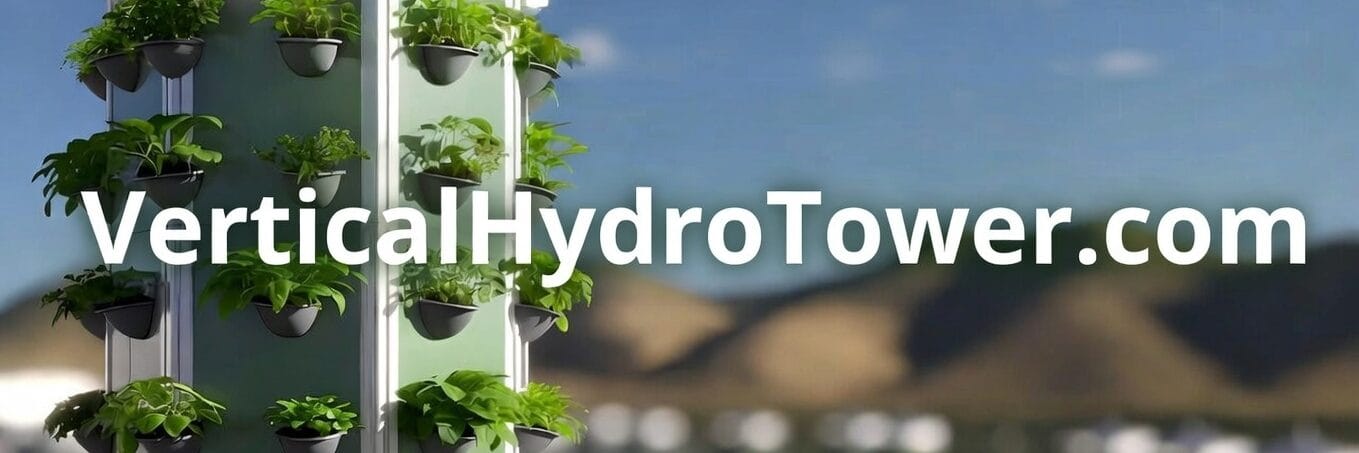
Hydroponic yields are skyrocketing as more growers turn to vertical towers for space-efficient, high-output farming. These innovative systems stack plants upward, turning limited square footage into a bountiful harvest factory. Whether you’re a backyard enthusiast or scaling up for commercial vertical farming productivity, mastering high-yield vertical hydroponics can transform your setup. In this guide, we’ll dive into proven strategies to increase hydroponic harvest, from nutrient tweaks to lighting hacks, all tailored for tower systems.
Vertical towers maximize every inch of grow space, making them ideal for urban farms or indoor setups where horizontal real estate is scarce. Unlike traditional soil gardens, these towers deliver nutrients directly to roots via water-based solutions, eliminating soil-borne pests and reducing water waste by up to 90%. Studies from urban agriculture experts show that well-optimized systems can produce 3-5 times more per square foot than conventional methods.
The secret lies in the design: cascading water flows nutrients from top to bottom, ensuring even distribution. But to truly amp up vertical farming productivity, you need to fine-tune environmental factors. Proper airflow prevents mold, while modular towers allow easy expansion. Imagine harvesting fresh greens weekly from a single 6-foot unit— that’s the reality for pros using high yield vertical hydroponics.
Pushing your plants to peak performance starts with the basics. First, select fast-growing, high-density crops like lettuce, kale, basil, and strawberries. These thrive in towers and respond well to hydroponic conditions. Site your tower in a spot with 12-16 hours of light daily; natural sunlight works, but supplements are key in low-light areas.
Water quality matters hugely. Use reverse osmosis filters to strip out contaminants, aiming for a pH of 5.5-6.5 and EC (electrical conductivity) between 1.2-2.0 mS/cm, depending on the crop stage. Over time, this precision directly boosts hydroponic yields by ensuring roots absorb what they need without stress.
Don’t overlook root oxygenation. In vertical setups, air stones or venturi systems inject oxygen into reservoirs, preventing root rot and speeding growth by 20-30%. For a reliable pump, check out this submersible aquarium pump on Amazon—it’s quiet, energy-efficient, and perfect for small-to-medium towers.
To optimize vertical tower yields, lighting is non-negotiable. LED grow lights penetrate dense canopies better than HPS bulbs, delivering full-spectrum illumination that mimics sunlight. Position panels 12-18 inches from plants, adjusting as they grow. Full-spectrum LEDs can increase yields by 25% compared to basic fluorescents—pair them with a timer for automated 18/6 cycles during veg.
Nutrients are the fuel. Hydroponic formulas like General Hydroponics Flora Series provide balanced NPK ratios: high nitrogen for leafy growth, phosphorus for roots and flowers. Start at half-strength for seedlings, ramping up as plants mature. Monitor with a digital TDS meter to avoid deficiencies—yellow leaves scream nitrogen shortage, while curled tips signal over-fertilization.
For deeper dives, check out our complete guide to hydroponic nutrient management on Vertical Hydro Tower. It’s packed with recipes tailored for tower growers.
Temperature and humidity control seals the deal. Keep air at 70-85°F daytime and 60-70°F nights, with 50-70% humidity. Oscillating fans enhance transpiration, strengthening stems and deterring mildew. In hotter climates, evaporative coolers or inline fans maintain ideal ranges.
Scaling to pro-level high yield vertical hydroponics means embracing automation. pH controllers auto-adjust reservoirs, while app-connected sensors track pH, EC, and temps in real-time. Systems like those from BluMat or Autopot drip-feed precisely, minimizing waste.
Maintenance is straightforward: flush towers bi-weekly with plain pH’d water to prevent salt buildup. Prune aggressively—remove lower leaves to improve airflow and light penetration. Every 4-6 weeks, harvest outer leaves for continuous production, a technique that can double your output over static grows.
Invest in quality gear for longevity. A top pick is this stackable vertical hydroponic tower on Amazon—it’s beginner-friendly, holds 28 plants, and includes a built-in pump for effortless setup.
Even optimized systems hit snags. Algae in reservoirs? Blackout lights and add beneficial bacteria like Hydroguard. Slow growth? Double-check light distance and spectrum—blue-heavy for veg, red for bloom. Pests like aphids? Introduce ladybugs or neem oil sprays early.
To scale, cluster multiple towers under centralized lighting. Commercial ops report 10x yields per m² with climate-controlled rooms. Track metrics in a journal: yield per plant, cycle time, input costs. Over months, patterns emerge, letting you refine for peak vertical farming productivity.
Vertical towers aren’t just efficient—they’re a gateway to year-round abundance. With these tweaks, your hydroponic yields will soar, filling salads, markets, or shelves with vibrant produce. Start small, experiment boldly, and watch your harvests multiply. Ready to build? Your first tower awaits.