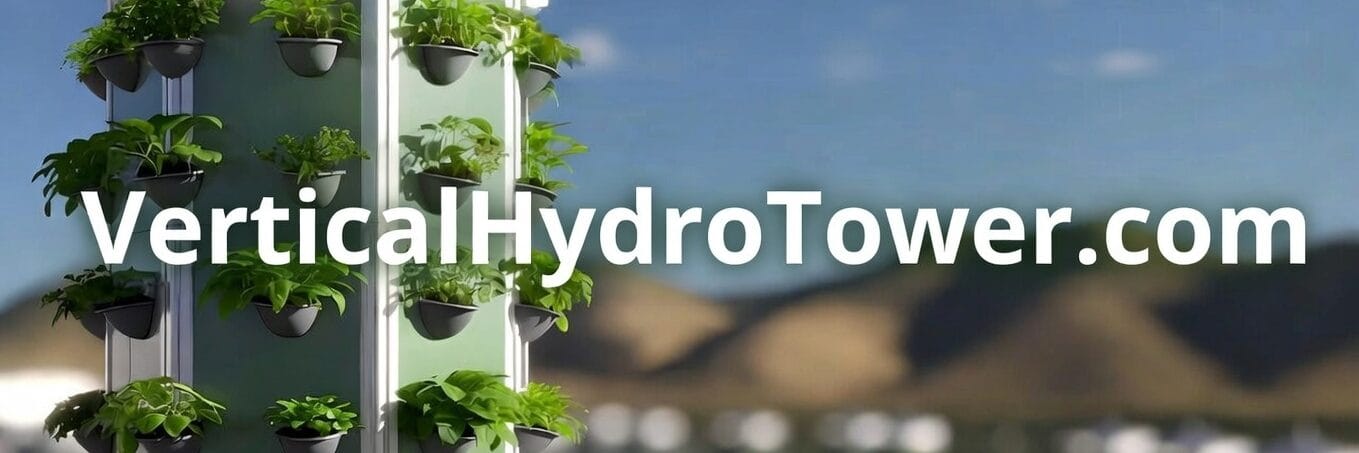
Hydroponics water saving is revolutionizing how we grow food, especially in a world where water scarcity is a growing concern. Traditional soil-based farming can waste up to 70% of water through evaporation and runoff, but hydroponic systems recycle nearly every drop. By growing plants in nutrient-rich water solutions without soil, you can produce high yields in compact spaces while slashing water use by 90% or more. This guide dives deep into sustainable vertical farming practices that make hydroponics not just efficient, but a smart choice for urban gardeners, commercial growers, and eco-conscious homeowners.
Water is our most precious resource, and agriculture guzzles about 70% of the global supply. With climate change intensifying droughts and populations booming, finding water-efficient alternatives is crucial. Enter hydroponics water saving: a method that delivers water directly to plant roots, minimizing waste. Unlike field crops that rely on unpredictable rain or inefficient irrigation, hydroponics uses precision tech like timers, sensors, and recirculation pumps to optimize every ounce.
In sustainable vertical farming, stacking plants upward multiplies your output without expanding your footprint. Imagine harvesting fresh greens from a tower in your apartment balcony—zero soil mess, faster growth cycles, and dramatically less water. Studies from the University of Arizona show hydroponic setups use 10 times less water than conventional methods, making it ideal for arid regions or water-restricted areas.
Water efficient hydroponics takes conservation to the next level by focusing on system design and management. Key techniques include drip systems, where nutrient solution drips onto roots and drains back into a reservoir, or aeroponics, which mists roots with ultra-fine water particles for maximum absorption.
One standout feature is the use of timers and pH/EC meters to prevent overwatering. Plants like lettuce or herbs thrive in these setups, growing 30-50% faster. For beginners, investing in reliable equipment pays off quickly. Check out this compact hydroponic pump on Amazon that’s perfect for small-scale recirculation—quiet, energy-efficient, and built to last.
Vertical setups amplify efficiency. Towers or wall gardens allow gravity to assist water flow, reducing pump strain. This isn’t just theory; commercial operations like those in Singapore’s vertical farms produce 10 times more per square foot while using 95% less water.
Closed loop hydroponic systems are the gold standard for hydroponics water saving. In these setups, water cycles continuously: it’s pumped to plants, absorbed with nutrients, and any excess filters back to the reservoir. No fresh water is added except to replace what plants transpire—typically just 5-10% per week.
Filtration is key here. Biofilters with beneficial bacteria break down waste, while UV sterilizers zap pathogens, keeping the loop clean. For a robust start, pair your system with a quality nutrient solution from Amazon—it’s pH-balanced and formulated for hydroponics, ensuring vibrant growth without excess runoff.
Maintenance is straightforward: monitor pH (ideal 5.5-6.5), adjust EC levels, and top off evaporated water. Advanced users add automation with Arduino sensors for hands-free operation. The result? A near-zero waste ecosystem that’s scalable from kitchen counters to warehouse farms.
Vertical hydroponics sustainability combines space savings with environmental wins. By going vertical, you cut land use by up to 90%, preserve biodiversity, and lower transport emissions since produce is grown locally. LED grow lights mimic sunlight efficiently, using 50-75% less energy than HPS lamps, and recyclable materials like PVC for towers keep things green.
Real-world examples abound. AeroFarms in New Jersey grows 390 times more yield per square foot than traditional farms, all with hyper-efficient water loops. At home, modular towers let you start small. For more on building your own, check our in-depth guide on setting up a DIY vertical hydro tower.
Sustainability extends to crop choice: prioritize water-thrifty plants like kale, basil, or strawberries. Integrate rainwater harvesting or greywater recycling for ultimate closed-loop living. These systems also reduce pesticide needs since controlled environments mean fewer pests.
Transitioning to larger operations? Focus on redundancy—backup pumps and power sources prevent downtime. Integrate IoT for remote monitoring via apps that alert you to leaks or imbalances. Cost-wise, initial setup runs $500-$5,000 depending on scale, but payback comes fast through yields and water bills slashed.
Energy audits help too: solar panels power pumps during peak sun hours. Community farms are embracing this, sharing towers in urban lots for collective sustainability. Challenges like algae growth? Easy fix with opaque reservoirs and regular cleanings.
Hydroponics water saving isn’t a trend—it’s the future of feeding our planet responsibly. Whether you’re greening your windowsill or launching a rooftop farm, these techniques empower you to grow more with less. Dive in, experiment, and watch your sustainable harvest thrive. What’s your first project going to be?